Most general contractors aren’t ready for what’s coming in 2026.
The industry is shifting fast…AI search, automation, and homeowner behavior are changing how projects are found, priced, and won. The contractors who adapt now will own their markets. The ones who don’t will be invisible.
I’ve helped remodeling and construction companies double (and even triple) their revenue by building simple, scalable systems that automate leads and sales. And from what I’m seeing, 2026 is going to separate the contractors who market like it’s 2015 from the ones who dominate with systems built for the future.
Here are five things you need to do right now to prepare your business for what’s coming.
1. Build a Content System That Feeds AI Search
Everything starts with content, but not the “post random before-and-afters on Facebook” kind.
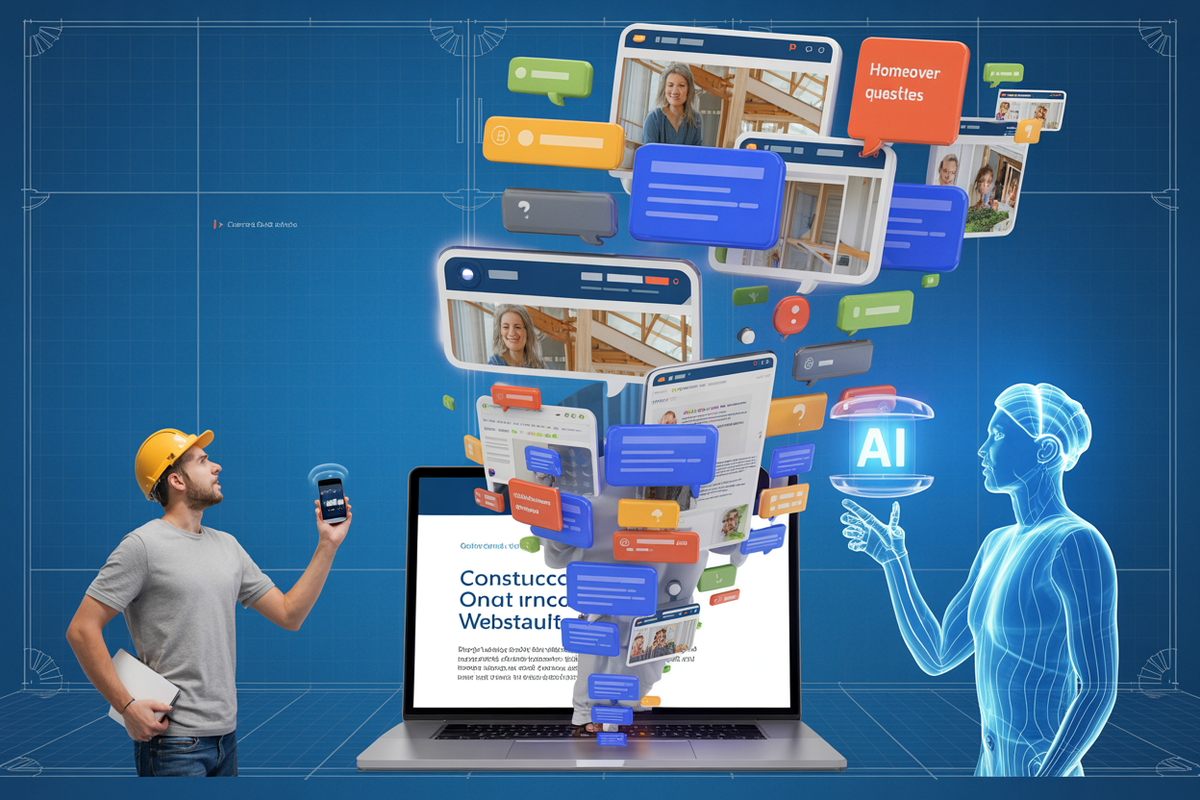
AI search is changing how homeowners find and choose contractors. Within the next two years, we’ll see AI tools that:
- Live on your website and talk to homeowners like a salesperson
- Automatically write content for your business
- Recommend your services (or your competitor’s) based on what data they’ve been trained on
If you’re not feeding AI the right information about your business now, it’ll fill in the gaps with your competitors’ content.
You’re not just posting for visibility anymore, you’re training AI to recognize your business as the go-to authority in your local market.
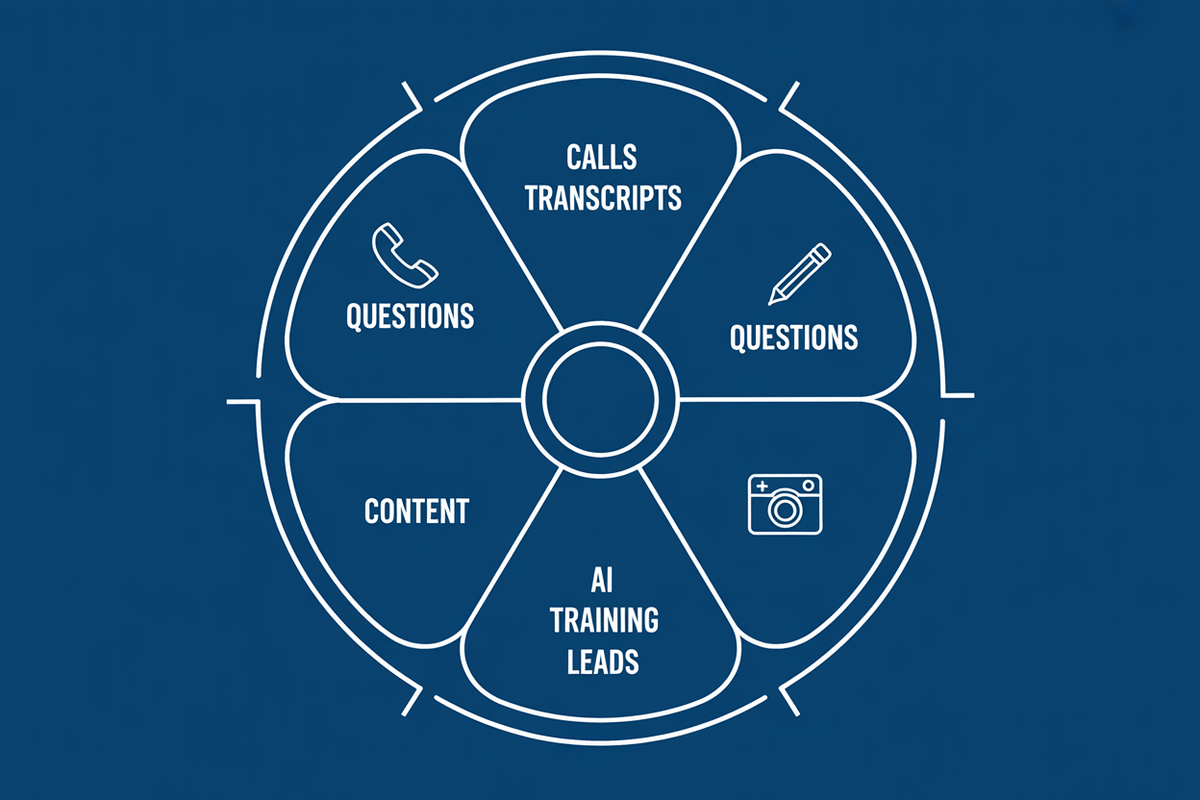
The Contractor’s Flywheel Content System
You already have gold inside your business: your crew, your estimates, and your customer conversations.
Here’s how to turn that into content that ranks, converts, and feeds AI:
- Record every call using tracking numbers.
- Transcribe the conversations.
- Highlight recurring questions homeowners ask (about costs, timelines, permits, design choices, etc.).
- Turn those insights into blog posts, short videos, and social posts.
If a conversation lasts more than five minutes, there’s content in it.
Real-world content from your customers outperforms generic AI fluff every time. And once you know what performs organically, you can amplify it with paid ads confidently.
2. Add Interactive Tools That Turn Visitors Into Leads
Content builds awareness. Tools convert attention into leads.
Most contractors lose leads because their websites don’t answer the two questions every homeowner has:
- “How much will it cost me?”
- “When can you start?”
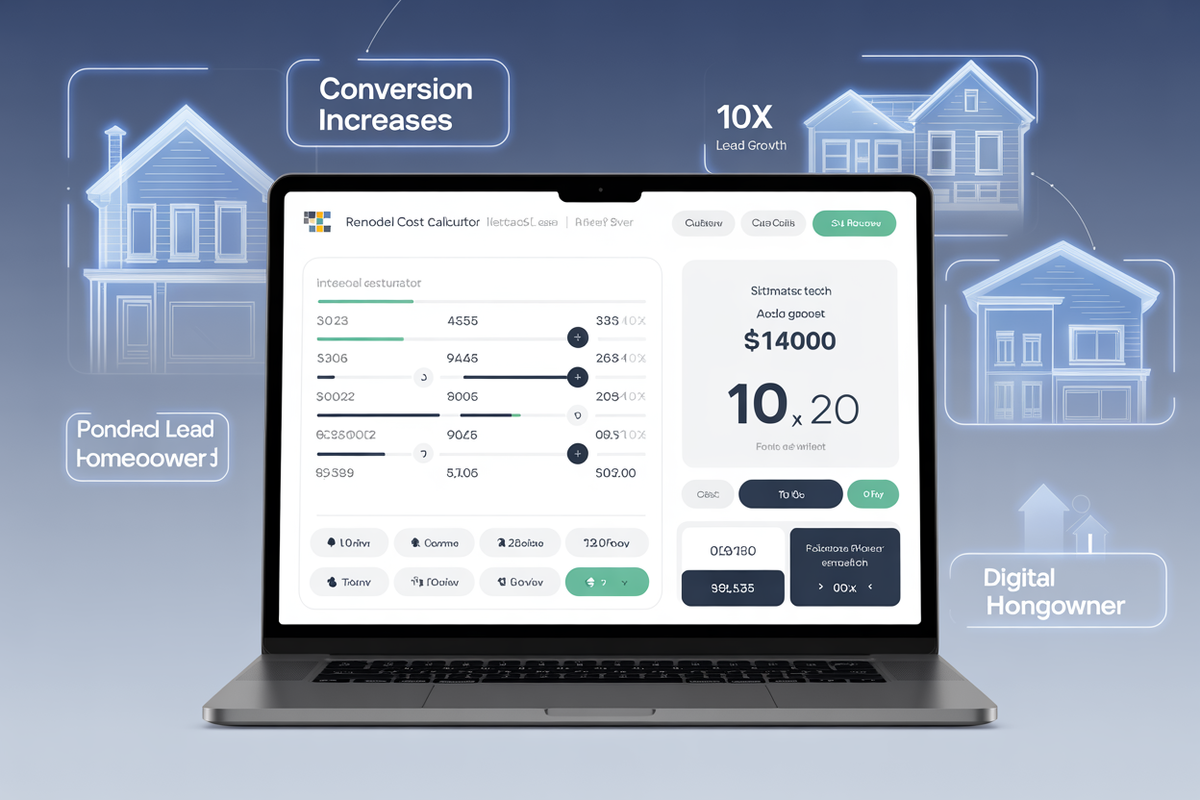
Adding interactive tools that answer those instantly can 10x your conversions.
Example: The Remodel Cost Calculator
I spoke to a contractor recently who was pulling strong traffic but almost no leads.
After adding a simple estimate calculator, their leads jumped from 14 to 147 in a month, with the same traffic.
Tools that convert:
- Estimate calculators
- Project pricing guides
- Design style quizzes
- Online scheduling or chat-to-text widgets
These don’t just improve conversions, they qualify prospects automatically. The goal is to make it effortless for homeowners to move from curious to committed.
3. Attack the Shoulder Season With a Plan
For many GCs, January to March is brutal.
Leads slow down. Jobs wrap up. Crews need hours.
I’ve watched this play out up close. A contractor friend of mine used to run operations for a busy remodeling firm, and every winter he was juggling schedules just to keep two full crews working.
The projects were there in summer, but once January hit, he had to get creative to keep everyone on payroll.
Here’s what worked (and still works today):
a) Build B2B Partnerships
Team up with complementary trades:
- Painters with flooring installers
- Roofers with gutter or solar companies
- Remodelers with real estate agents or property managers
When inbound slows down, your referral network keeps the pipeline full.
b) Schedule Annual or Repeat Work During the Off-Season
If you’ve got clients who want maintenance or phase-two projects, schedule them early in the year. Keep your crews working and cash flow steady.
c) Create a Core Offer for Your Database
Your past clients are your easiest wins.
Send a message like:
“Hey [Name], we’re doing a limited-time Winter Remodel Special for returning clients, 10% off projects scheduled before February 15. Want me to hold you a spot?”
A few emails or texts like that can fill your calendar without running ads.
d) Run a Giveaway or Referral Campaign

Engagement slows down in winter, so give people a reason to talk.
Example:
“We’re giving away a $5,000 kitchen refresh to one local homeowner! Enter here and if your referral wins, you get $1,000.”
Even if it costs you $5K, 100 qualified leads make that ROI a no-brainer.
e) Re-Engage Old Leads
Your CRM is full of half-interested homeowners who ghosted you. Text them:
“Hey [Name], we sent you a remodel estimate last spring, just checking in before our 2026 pricing updates go live. Are you still planning that project?”
You’d be shocked how many reply.
4. Simplify and Systemize Your Sales Process
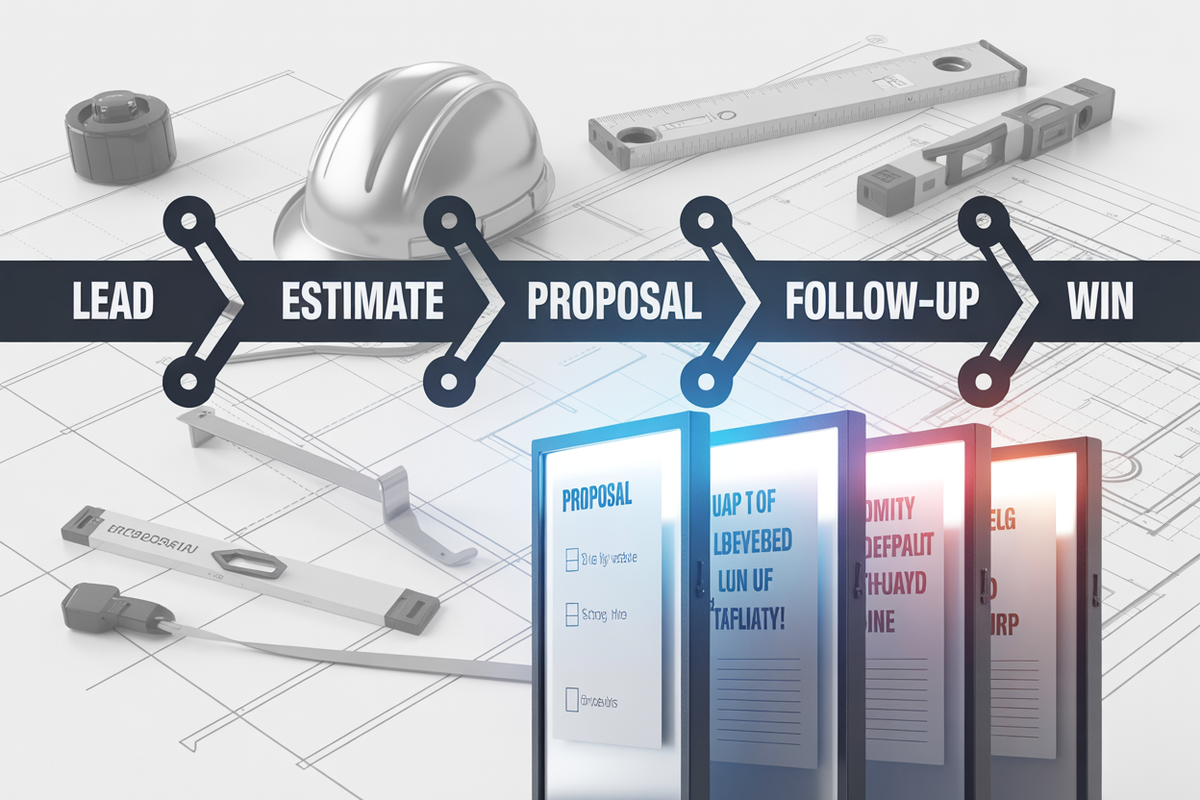
Every GC needs a repeatable sales system, not just a bunch of “quotes and hope.”
Start with:
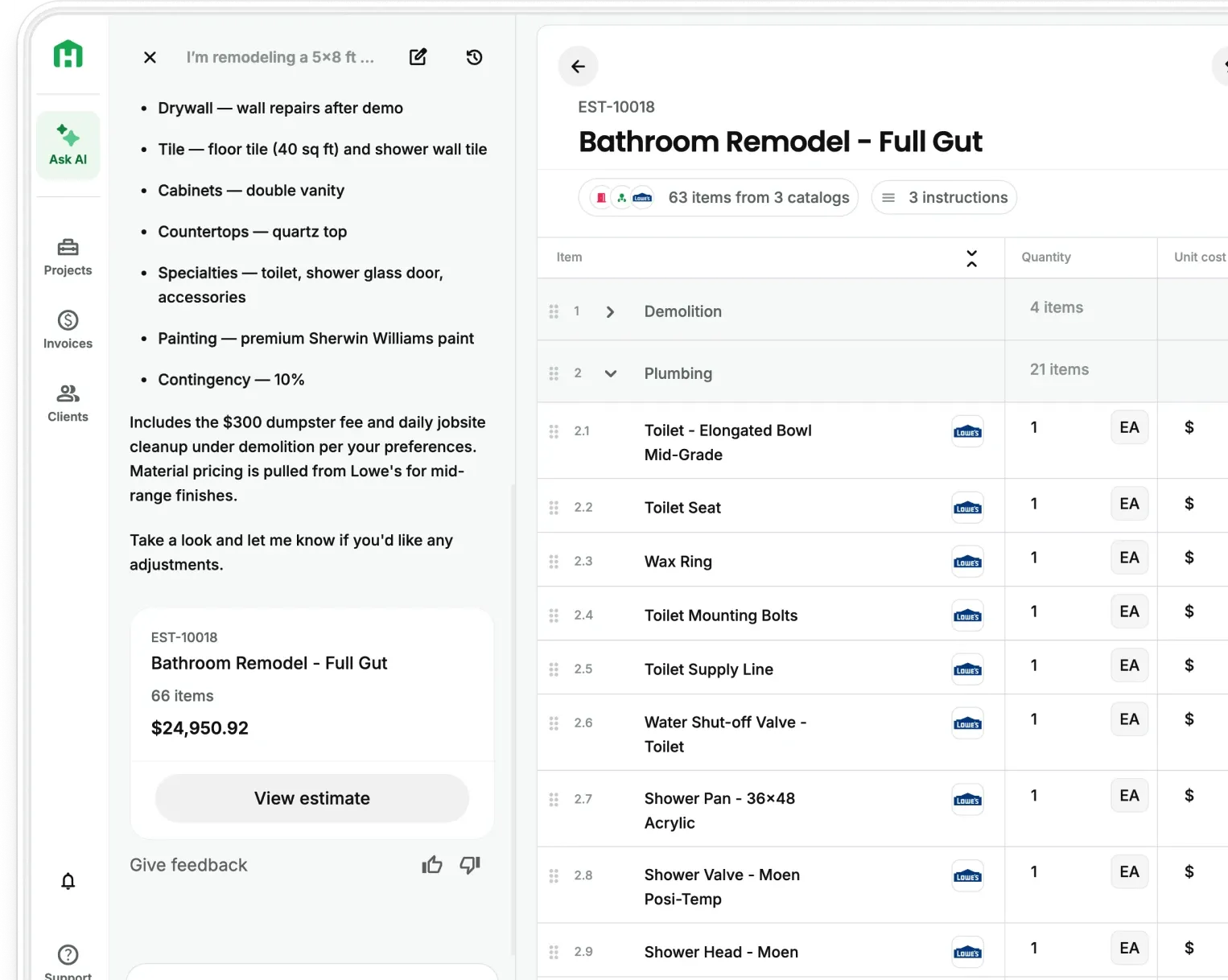
- A consistent proposal format (AI tools like Handoff make this easy)
- Automated follow-ups for every estimate sent
- Job-cost tracking to confirm your margins are healthy
The contractors who scale are the ones who treat sales like a process and not a guessing game.
5. Brand Like You’re the Only Choice
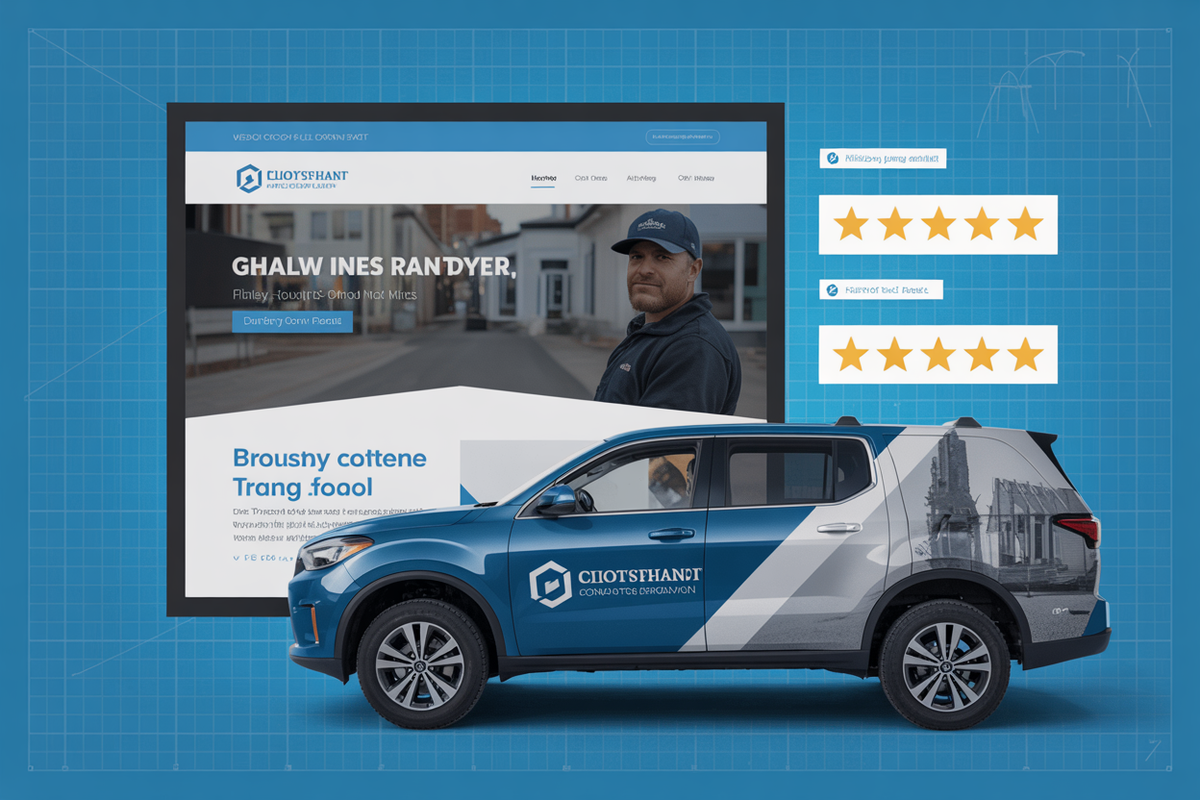
In 2026, brand authority will matter more than ever.
Homeowners will choose contractors based on online reputation and perceived expertise.
That means:
- Clean, consistent branding across your site and social
- Clear messaging about your niche (kitchens, additions, outdoor living, etc.)
- Reviews, testimonials, and video walkthroughs of completed jobs
AI search doesn’t just read words, it reads patterns of trust. If you look like the local expert everywhere online, you’ll be the contractor AI recommends first.
The Bottom Line

2026 will reshape how homeowners find, trust, and hire contractors.
If you start building your content systems, interactive tools, seasonal plans, and brand authority, you won’t just survive the shift. You’ll dominate it.
The contractors who act in 2025 will own their market in 2026.
The ones who don’t will be wondering why the phone stopped ringing.
Frequently Asked Questions (FAQ)
Why do contractors need to care about AI search in 2026?
Because homeowners are starting to search differently. Instead of only clicking through Google results, more people are using AI tools to ask direct questions about pricing, timelines, and who to hire. If your business has strong content, reviews, and a clear online presence, you’re more likely to show up in those answers.
What kind of content should a general contractor focus on first?
Start with the questions homeowners already ask you every week. Cost, timelines, permits, design decisions, and what to expect during a remodel are all strong topics. That kind of content is useful for SEO, helpful for leads, and valuable for training AI platforms to recognize your business as a trusted local source.
Do interactive tools really help generate more leads?
Yes, when they answer the right questions. Simple tools like cost calculators, project pricing guides, quizzes, and booking widgets reduce friction and help homeowners take the next step faster. They also qualify leads by giving people useful information before they ever pick up the phone.
How can contractors stay busy during the slow season?
The best approach is to have a plan before things slow down. That usually means re-engaging old leads, promoting offers to past clients, booking repeat work early, and building referral partnerships with complementary businesses. Contractors who rely only on fresh inbound leads often feel the slowdown much harder.
What should contractors fix first if they want to prepare for 2026?
Focus on the basics that create momentum: build a steady content system, improve how your website converts visitors, create a repeatable sales process, and strengthen your brand online. You do not need to overhaul everything at once, but you do need a system that makes your business easier to find, trust, and choose.
Ready to win more jobs with less manual work? Try Handoff free →