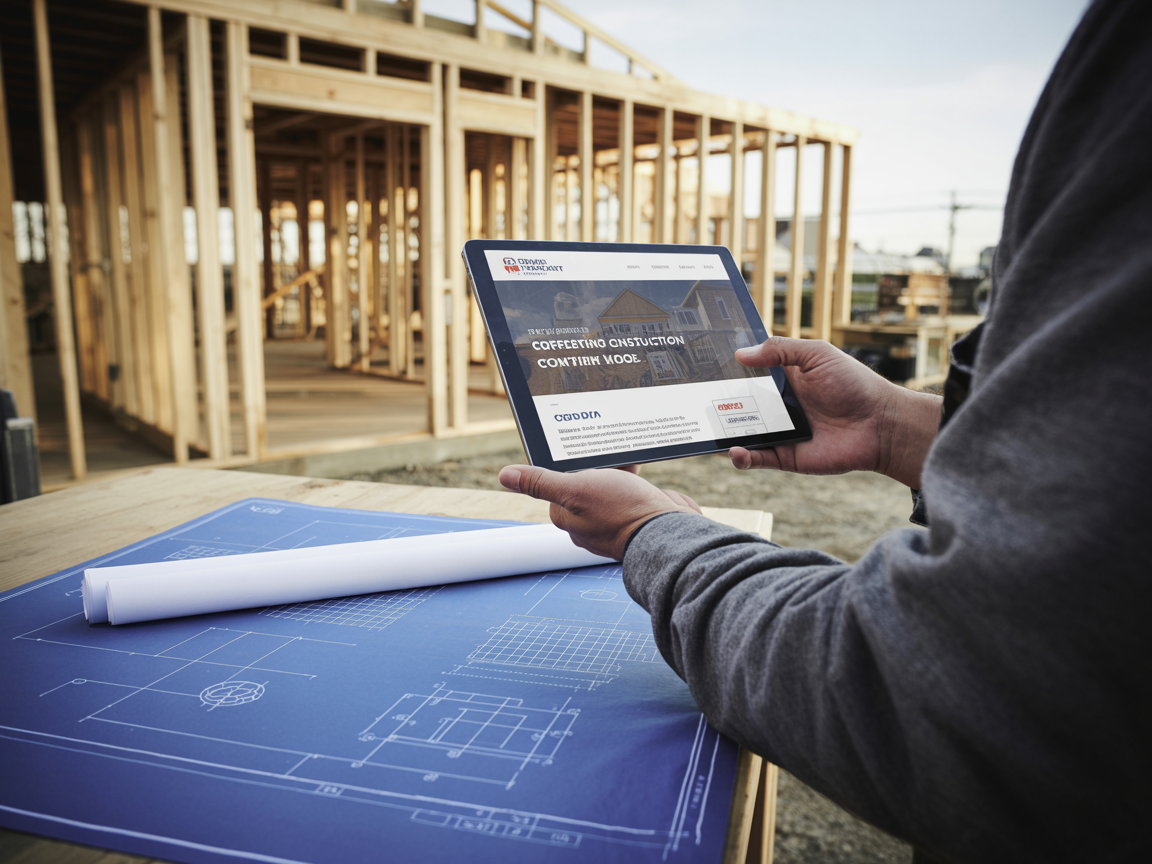
Your website is your digital office. It works nights, weekends, and holidays, answering questions, building trust, and bringing in new leads while you're on the jobsite.
And here's the reality: most homeowners will decide how professional you are before they ever call you. Studies consistently show that around 75% of people judge a business's credibility based on its website. In construction, that first impression often determines who gets the call and who doesn't.
Word-of-mouth still matters. But today, referrals almost always check your website before reaching out. If your site looks dated, confusing, or incomplete, that referral quietly dies.
This guide breaks down how to build a construction website that doesn't just look good—but consistently generates qualified leads.
What Should a Construction Website Cost?

"How much should I spend on my website?"
It's one of the most common questions contractors ask—and the answer depends on whether you see your site as an expense or an asset. When evaluating your website alongside other essential business tools for contractors, it becomes clear that your digital presence is a critical investment in growth.
Typical Investment Range
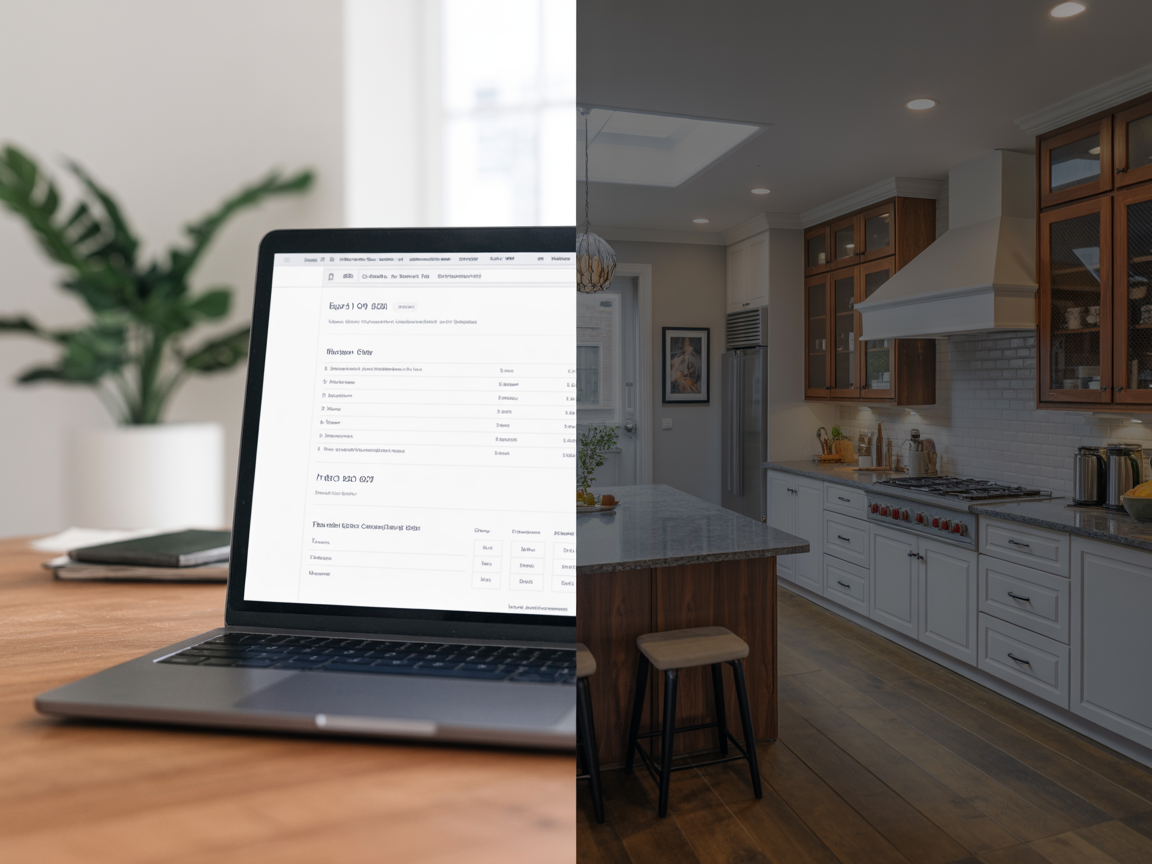
A professional construction website usually costs $5,000 to $15,000 upfront, depending on scope. That typically includes:
- Custom design (not a generic template)
- Professional copywriting
- Mobile-responsive development
- Hosting and platform setup
- Project photography or gallery integration
- Basic SEO and technical setup
Ongoing maintenance generally runs $200–$500 per month, covering security updates, performance monitoring, backups, and minor content updates.
That number can feel uncomfortable, until you compare it to the return. One decent kitchen remodel or home addition booked through your website can cover an entire year of costs.
Contractors with well-built websites routinely generate six figures or more in annual project value directly from online leads. The website doesn't replace your sales process, it feeds it better opportunities.
The Most Common Construction Website Problems (And How to Fix Them)
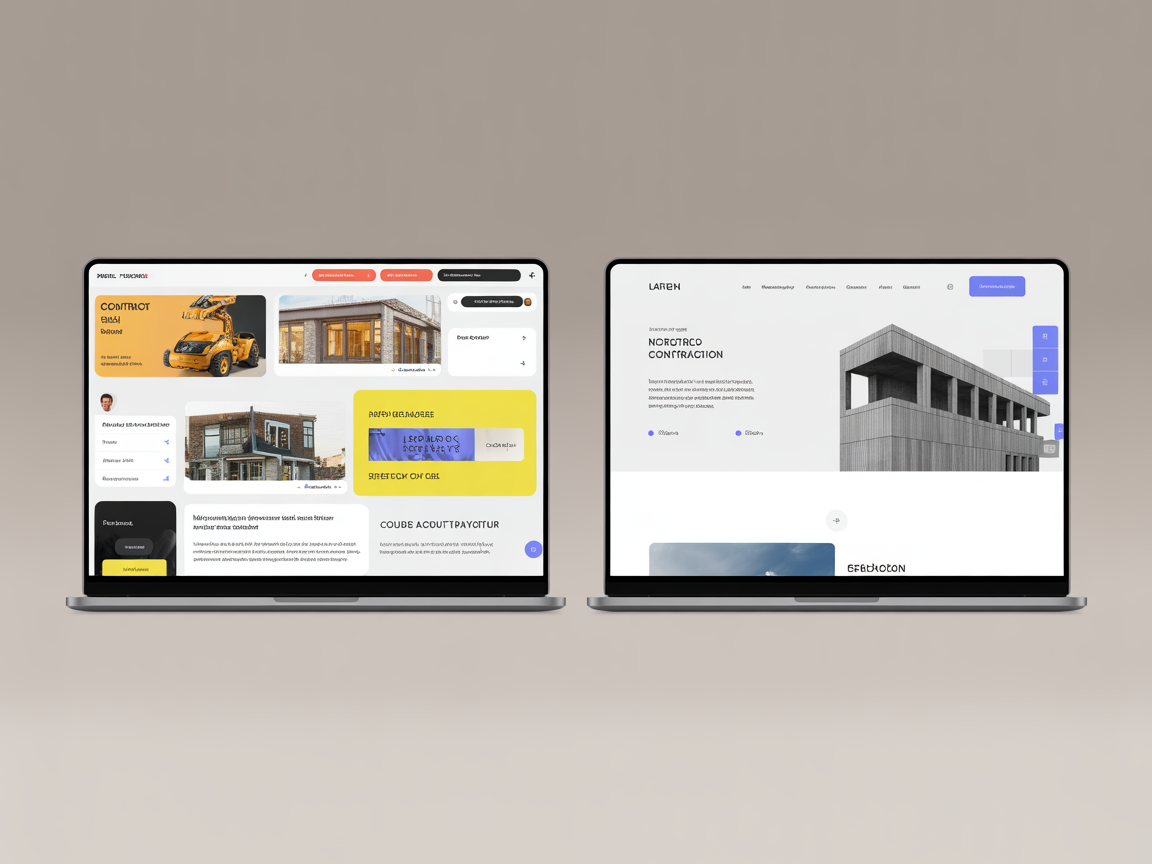
Many construction websites fail for the same reasons. Fixing these issues alone can dramatically increase conversions.
1. Confusing Navigation
The problem: Visitors can't quickly find services, past projects, or contact info.
The result: They leave.
The fix:
- Simple menu structure
- Clear service categories
- Obvious "Contact" and "Request a Quote" buttons
- Logical page hierarchy
If someone can't understand what you do in 10 seconds, they won't stick around.
2. Slow Load Times
The problem: Pages take more than 3 seconds to load.
The result: Up to 40% of visitors leave.
The fix:
- Optimized images
- Clean, modern code
- Proper hosting
- No bloated plugins
Speed matters, especially on mobile. Beyond technical optimization, optimizing your site for search engines ensures you're attracting the right traffic in the first place.
3. Missing Trust Signals
The problem: No proof that you're legitimate or experienced.
The result: Visitors hesitate to reach out.
You must clearly show:
- Licenses and certifications
- Insurance details
- Project galleries
- Real client testimonials
- Clear contact information
Trust doesn't happen by accident. It's designed. Implementing proven local SEO strategies helps ensure your credibility signals reach the right local audience.
4. Poor Mobile Experience
More than half of construction website traffic is mobile.
If users struggle to read text, view photos, or submit forms on their phone, you're losing leads every day.
The fix:
- Mobile-first design
- Click-to-call buttons
- Easy-to-use forms
- Fast load times on cellular connections
Professional Website vs DIY Builders
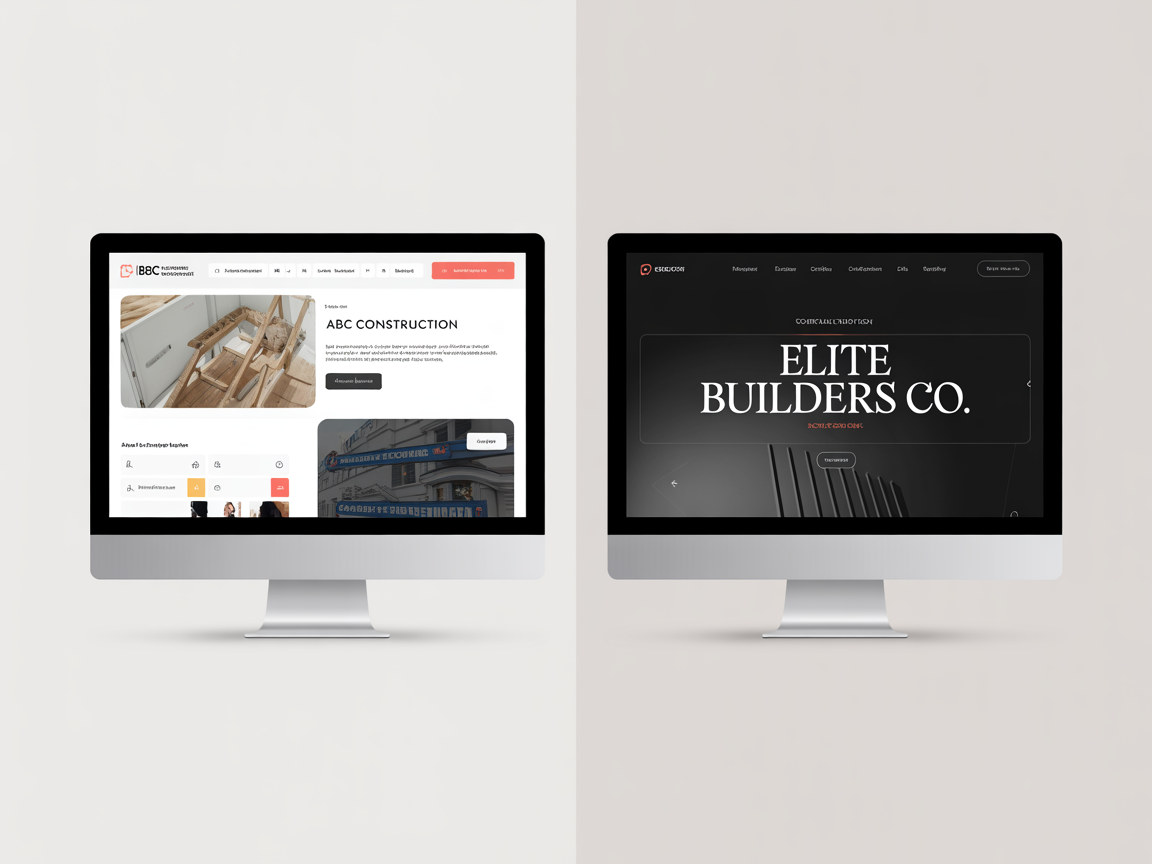
DIY website platforms look tempting. They're cheap, fast, and promise results. For construction businesses, they usually fall short.
Why DIY Sites Underperform
- Generic layouts that don't reflect your work
- Poor project gallery functionality
- Limited SEO control
- Weak conversion tools
- Time-consuming updates
They often "look fine" but fail to convert visitors into leads.
What Professional Development Delivers
A professionally built construction website is designed around how homeowners actually make decisions:
- Visual proof through project showcases
- Clear service explanations (without jargon)
- Strategic calls-to-action
- Built-in lead capture systems
- Scalability as your business grows
In the long run, professional sites usually cost less in time, stress, and missed opportunities. Modern AI-powered tools that scale with your business can further enhance efficiency and lead generation.
Why Your Project Showcase Matters More Than Anything Else
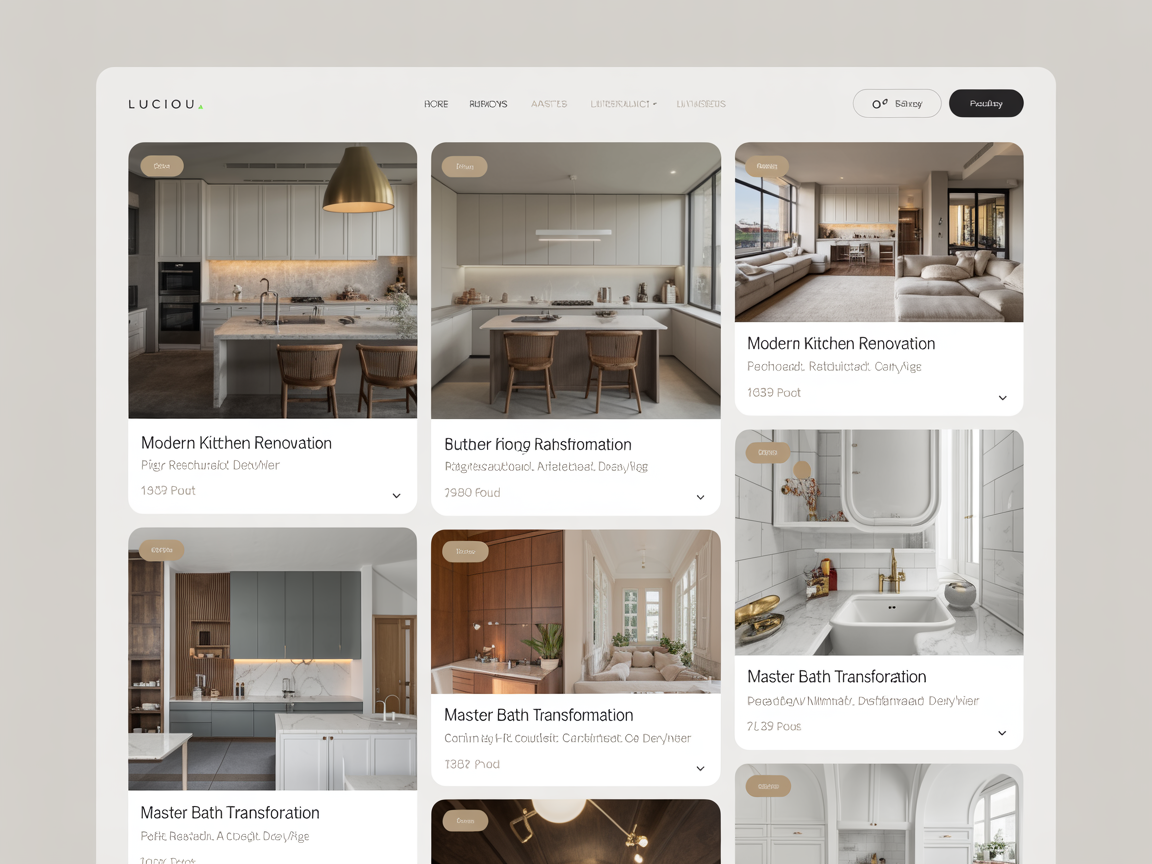
Your past work sells your future work.
Analytics consistently show that visitors spend up to 3× longer on construction websites with strong project galleries. Around 85% of homeowners review past projects before contacting a contractor.
What an Effective Portfolio Includes
- High-quality photos from multiple angles
- Consistent lighting and image quality
- Clear categories (kitchens, additions, remodels, etc.)
- Short descriptions explaining the scope and outcome
Well-organized portfolios can increase qualified inquiries by 40% or more.
Testimonials That Actually Work
Testimonials shouldn't be generic blurbs.
The strongest ones are tied to specific projects and mention:
- Timelines
- Budget accuracy
- Communication
- Problem-solving
Adding client photos boosts trust significantly. Video testimonials can increase engagement even more. Learn more about collecting powerful testimonials from clients to maximize their impact.
Before-and-After Projects
Nothing communicates value faster.
Websites with before-and-after comparisons hold attention 60% longer than those without. Add short explanations of challenges solved and decisions made—it helps homeowners picture working with you. Consider showcasing your work on social media to amplify your reach.
Must-Have Features for a Lead-Generating Construction Website
Clear Service Pages
- Written for homeowners, not trades
- Focus on outcomes, not technical terms
- Organized by project type
Easy Contact Access
Your contact options should be everywhere:
- Phone number in the header
- Simple forms on every key page
- Email contact
- Map and service area info
Trust Builders
- Licenses and insurance
- Affiliations and certifications
- Awards or recognitions
- Warranties and guarantees
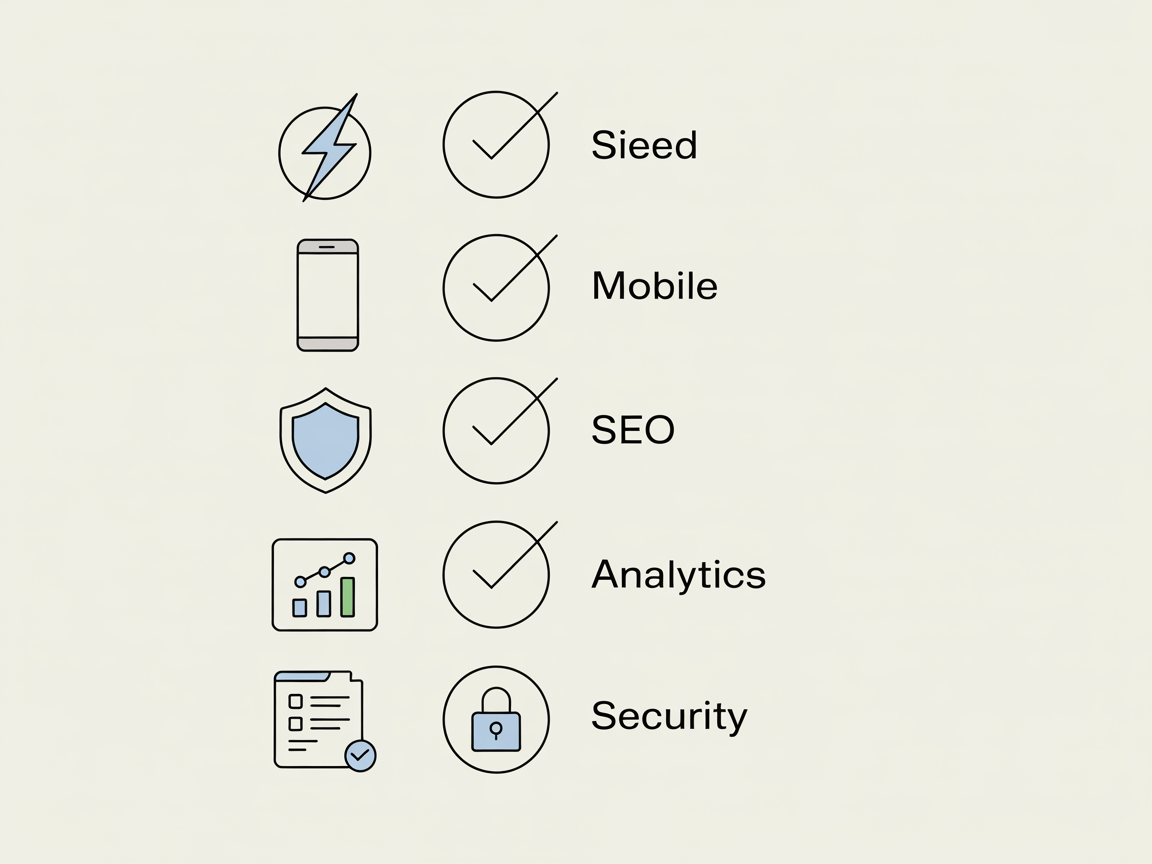
Technical Essentials
- Load times under 3 seconds
- Secure HTTPS
- Mobile-first design
- Analytics tracking
- Regular backups
Simple Navigation
- Clear menus
- Logical page flow
- Easy return to home
- No clutter
When these elements work together, your website stops being a brochure and starts becoming a sales engine.
Turning Visitors Into Real Leads

Traffic alone doesn't pay the bills. Conversion does.
Contact Forms That Convert
The best forms are:
- Short
- Easy to use
- Mobile-friendly
- Focused on essentials only
Well-designed forms can improve conversion rates by up to 300%.
Online Appointment Scheduling
Letting homeowners book consultations directly:
- Saves time
- Increases follow-through
- Filters serious prospects
Include confirmations, reminders, and simple rescheduling. Modern AI-powered lead automation systems can streamline this entire process and ensure no lead falls through the cracks.
Fast Response Wins Jobs
Contractors who respond within an hour are 7× more likely to qualify leads.
Use:
- Instant automated replies
- Clear response expectations
- Consistent follow-up systems
Speed builds confidence.
Pre-Qualifying Leads
Not every inquiry is a good fit. Smart websites help screen leads with:
- Budget ranges
- Project type selectors
- Timeline questions
- Service area confirmation
Qualified leads convert at 5× the rate of unqualified ones. Use these essential questions to qualify leads effectively and focus your energy on the best opportunities.
Local Search Visibility: How Clients Actually Find You

Nearly 97% of homeowners search online for local services.
To win locally, your website must support:
- Strong local SEO
- Accurate business information
- Mobile usability
- Review generation
Contractors with 40+ Google reviews tend to appear in significantly more local searches. Consistent business details across directories, associations, and listings strengthen visibility and trust. Explore proven lead generation strategies and consider leveraging Google Local Services Ads to maximize your local presence.
Building Trust Through Content
Good content answers questions before they're asked.
Educational Content That Builds Authority
- Project planning guides
- Budget expectations
- Material comparisons
- Timeline breakdowns
- Safety explanations
This reduces friction and positions you as the expert. Consider using AI tools to create educational content faster without sacrificing quality.
Answering Common Questions
Address concerns about:
- Cost structure
- Process steps
- Change orders
- Delays
- Quality standards
Clarity builds confidence. For a broader perspective, review these comprehensive marketing strategies to strengthen your overall approach.
Show Local Expertise
Homeowners trust contractors who know their area.
Demonstrate this with:
- Local project examples
- Code and permit knowledge
- Community involvement
- Local partnerships
Using Analytics to Improve Results
Your website should improve over time, not stay static.
Track:
- Traffic sources
- Time on site
- Form submissions
- Most-viewed projects
- Mobile behavior
Contractors who use analytics to guide improvements see up to 40% higher conversion rates than those who guess.
Review performance monthly and adjust based on real data. For long-term success, consider these strategic moves to accelerate business growth.
The Bottom Line

A construction website isn't just an online business card. It's your most powerful sales tool.
When done right, it:
- Builds trust before the first call
- Shows proof of quality
- Filters better clients
- Generates consistent leads
The real question isn't if you need a better website, it's how much business you're leaving on the table without one. Once leads start flowing, focus on closing more leads without being pushy and winning more projects at full price.
Your competitors are winning projects online right now. A lead-generating website ensures you're not invisible when homeowners start searching. Ready to take your lead generation to the next level? Explore more lead generation strategies to build a comprehensive system that keeps your pipeline full.
Frequently Asked Questions (FAQ)
How much should a construction website actually cost?
Most professional contractor websites land between $5,000–$15,000 upfront, with ongoing maintenance around $200–$500/month. The real way to look at it isn’t cost, it’s return. One solid project from your site can pay for the whole thing.
Why do most construction websites fail to generate leads?
Because they’re built like brochures, not sales tools. Confusing navigation, weak project galleries, slow load times, and no clear next step all cause visitors to leave without reaching out.
What’s the most important part of a contractor website?
Your project showcase. Homeowners want proof before anything else. Strong before-and-after photos, clear project descriptions, and real results do more to build trust than any headline or slogan.
Do contractors really need a professionally built website?
If you want consistent, high-quality leads, yes. DIY sites can look okay, but they usually lack structure, SEO performance, and conversion elements. A professional site is built around how homeowners actually decide.
How do you turn website visitors into real leads?
Make it easy and fast. Clear contact buttons, short forms, mobile-friendly design, and quick response systems all matter. The simpler it is to take the next step, the more leads you’ll capture.
How important is speed when responding to website leads?
It’s huge. Contractors who respond within an hour are far more likely to qualify and win the job. Fast response signals professionalism and keeps you ahead of competitors who reply later.
Ready to win more jobs with less manual work? Try Handoff free →