If you are a contractor or home remodeler, you already know you work hard for every dollar you earn. Materials are expensive, labor is tight, clients expect more than ever, and profit margins get squeezed from every angle. The last thing you need is to give the IRS more money than necessary simply because you did not know what you were allowed to deduct.
The truth is simple. Most contractors miss out on thousands in legitimate tax write-offs every year. Not because they are doing anything wrong, but because the tax code is confusing and contractors rarely have time to dig through IRS rules after a ten-hour day on the job site.
The good news is that 2026 is a strong year for contractors when it comes to tax savings. Many of the same write-offs you already know still apply, and several categories have become even more valuable because of rising material costs, software adoption, and the way remodelers now run their businesses.
Below are the top twelve tax deductions contractors should review for 2026. These are specifically written for small construction companies, remodelers, handymen, design-build firms, and general contractors who want to keep more of their hard-earned money.
Before we begin, one note. This article is informational only. Always speak with your CPA or tax advisor before filing.
1. Vehicle Expenses
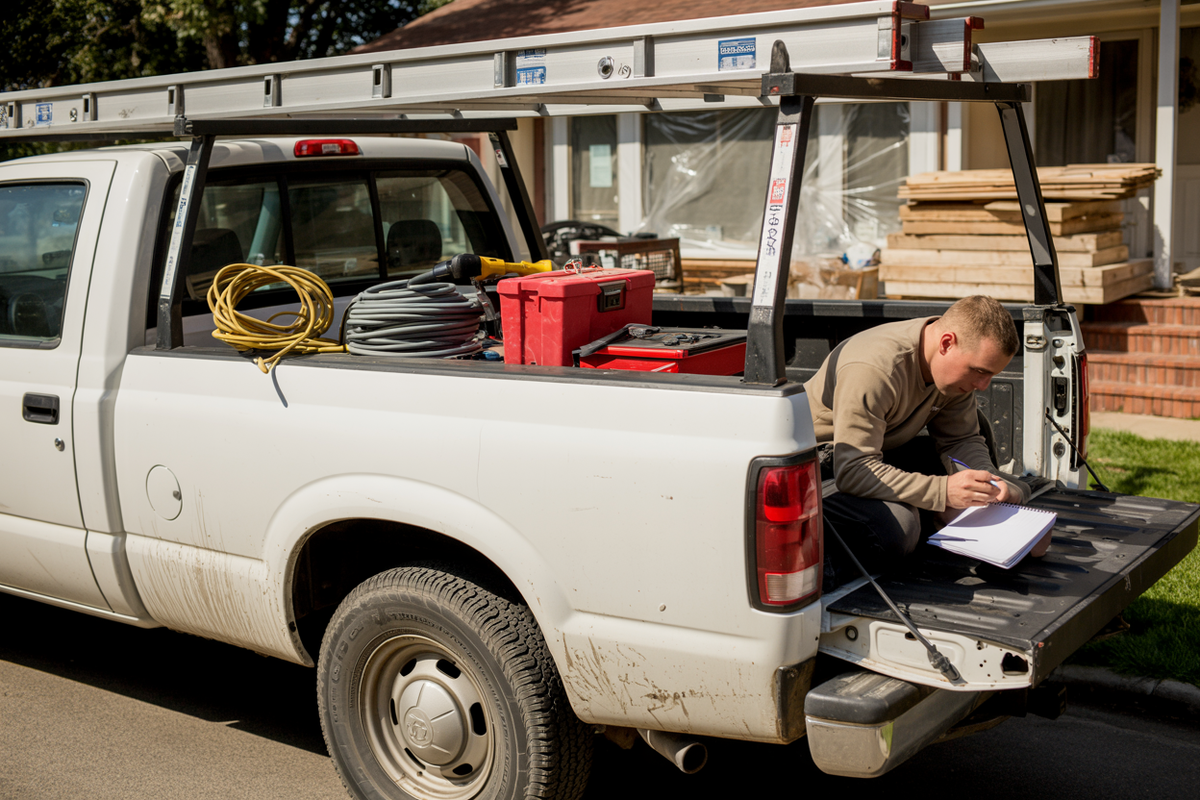
Your truck is not just transportation. It is part of how you run your business every single day. Because of this, the IRS allows a large portion of vehicle-related expenses to be deducted.
You can choose between the Standard Mileage Rate or the Actual Expense Method. The mileage rate is simple and works well if you drive a lot for estimates, job site visits, supplier runs, or crew checks. The actual expense method is effective if your vehicle's costs are high due to factors such as fuel, repairs, insurance, or depreciation.
Common deductible items include:
- Fuel and oil
- Repairs and regular maintenance
- Insurance premiums
- Registration fees
- Interest on a business vehicle loan
- Parking fees and tolls for business trips
- GPS and mileage tracking software
- Depreciation on a purchased work truck
If you purchased a new truck or van in 2026, you may also qualify for Section 179 or bonus depreciation, which can significantly reduce your tax bill. Keeping detailed mileage logs and receipts ensures you receive the maximum deduction.
2. Tools And Equipment
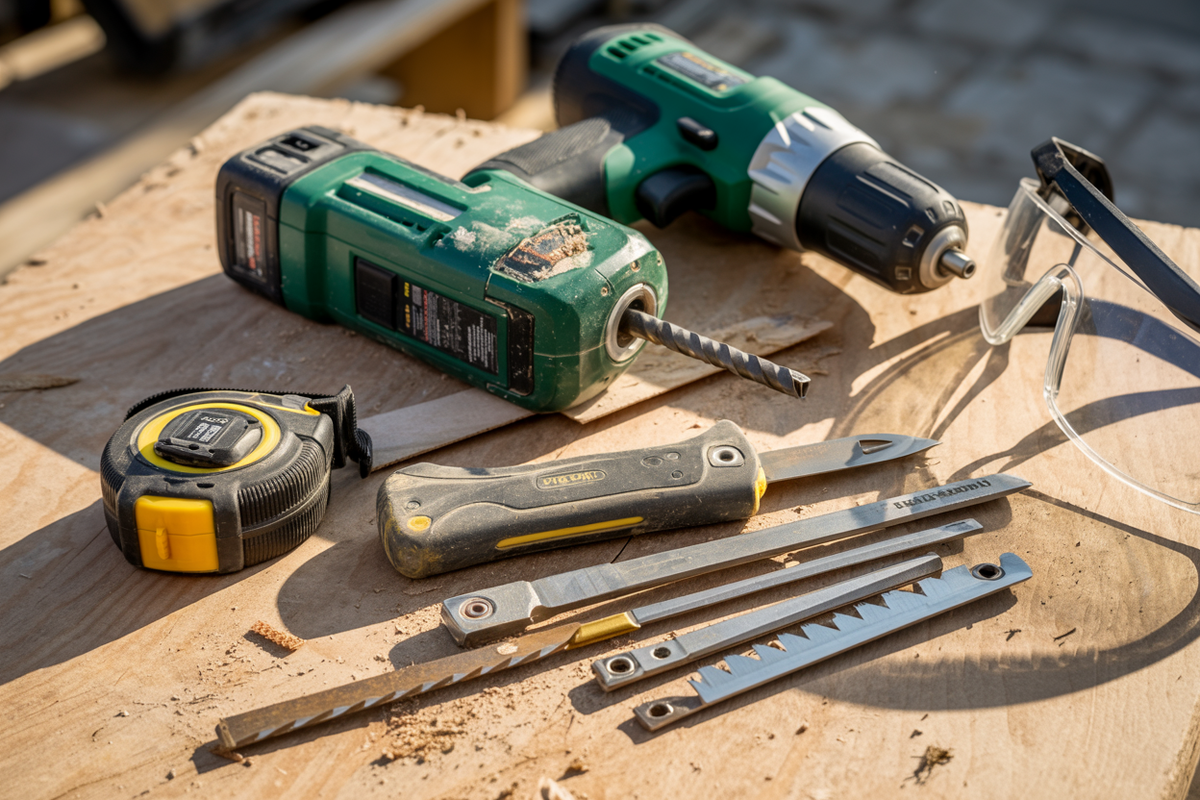
Your tools become tax deductions as soon as they become part of how you perform your work. Contractors spend thousands each year on tools, equipment, safety gear, and technology. All of it can be written off.
Here is what typically qualifies:
- Hand tools like levels, hammers, wrenches, blades, and drill bits
- Power tools like table saws, generators, routers, and nail guns
- Specialty tools such as tile cutters or laser measuring tools
- Safety equipment, including goggles, respirators, and work gloves
- Repairs, replacements, sharpening, and maintenance
- Tool storage, like job boxes and on-site organization systems
Larger equipment may need to be depreciated, but many remodelers choose Section 179 so they can deduct the full amount in the same year they purchase it. Software directly tied to equipment or job performance also counts. These include blueprint tools, laser technology, or design software used for project execution.
The more accurately you track tool-related purchases, the more you save.
3. Software And Apps

Contractors rely heavily on software in 2026. What used to be paperwork and spreadsheets is now digital estimating, scheduling, and project management. The IRS treats these subscriptions as legitimate business expenses.
Deductible software often includes:
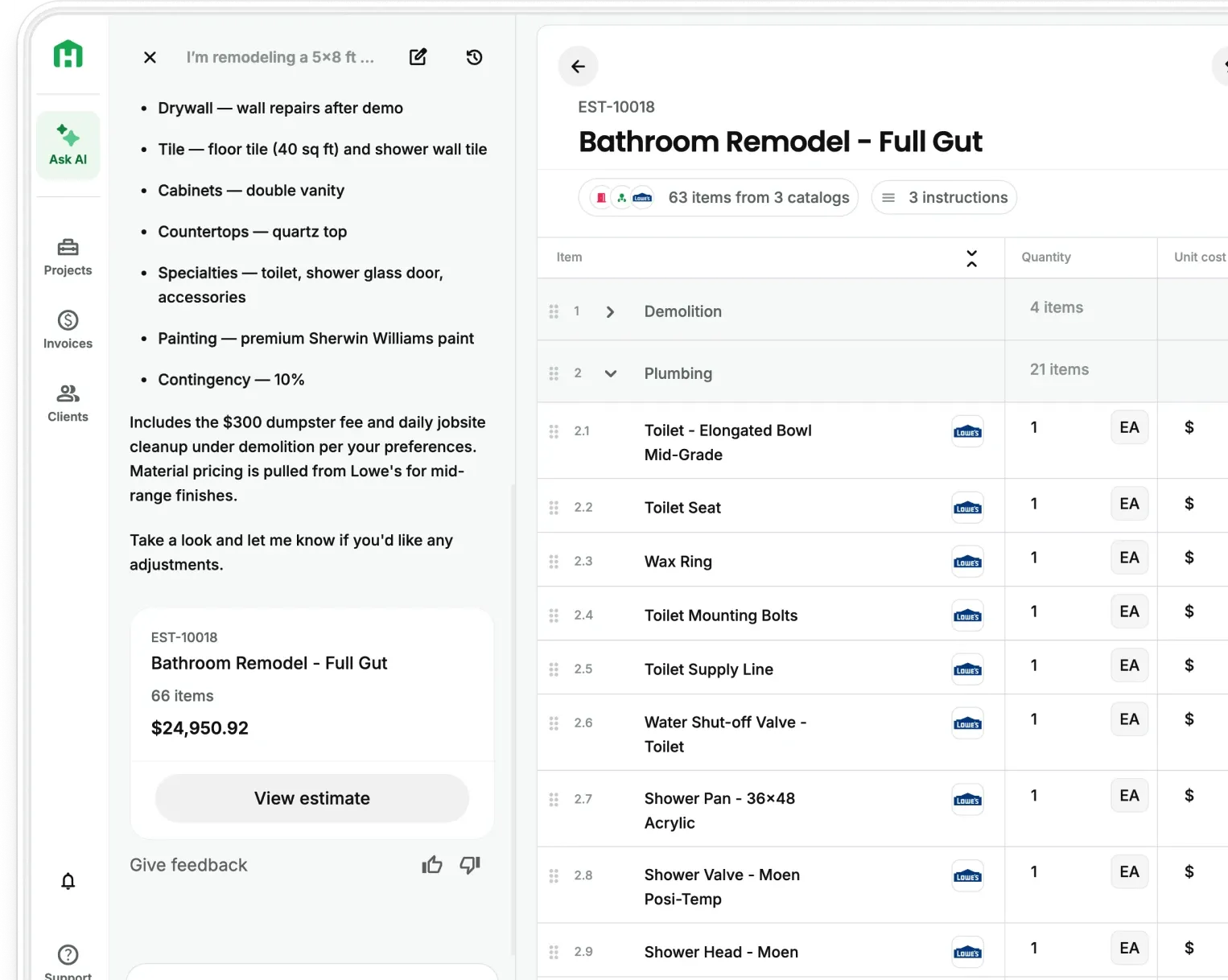
- Estimating and proposal software such as Handoff
- Scheduling platforms and project management tools
- Accounting and invoicing systems
- Design and blueprint software
- CRM and client management tools
- Cloud storage subscriptions
- Fleet management and GPS apps
- Marketing platforms like email software or content tools
Whether you pay monthly or annually, every software payment that supports your business is deductible. As contractors continue shifting to digital operations, this category becomes even more valuable every year.
If you’re already using Handoff or thinking about switching to it, here’s where contractors get the biggest financial win. Your Handoff subscriptipon is fully tax-deductible, but the annual plan cuts your cost even further with a built-in discount of X%.
You reduce what you spend on software today.
And you deduct the entire year at tax time.
Want to stack the savings? Upgrade to the annual plan and keep more of your profit this year.
4. Home Office Deduction

Even if you spend most of your day on the job site, you still run a portion of your business from home. Whether you create estimates at your kitchen table or have a dedicated office, you may qualify for the home office deduction.
To qualify, the space must be used exclusively and regularly for business. When you meet the requirements, you can deduct a percentage of your:
- Rent or mortgage interest
- Utilities
- Internet service
- Homeowners insurance
- Repairs made to the office space
- Property taxes
The simplified method allows you to deduct a set rate per square foot. The actual expense method lets you deduct a percentage of your full home expenses. Both can lead to meaningful tax savings.
5. Marketing And Advertising

Contractors who invest in marketing can deduct every dollar they spend promoting their business. Whether you rely on Facebook ads, yard signs, referral mailers, or SEO work, the IRS counts these as deductible costs.
Common marketing deductions include:
- Facebook and Instagram ads
- Google Ads
- Website hosting and SEO services
- Direct mail and print advertising
- Branded clothing such as shirts or hats
- Vehicle wraps
- Photography and video work for marketing
- Brochures, signs, and promotional materials
Marketing is one of the easiest write-offs to claim because contractors naturally invest in visibility. If it helps you attract clients, it is likely deductible.
6. Employee Wages And Subcontractor Payments

Labor is one of the largest expenses for remodeling businesses. Thankfully, wages, subcontractor payments, and payroll-related costs are all deductible.
This includes:
• Wages and salaries
• Overtime pay
• Bonuses
• Payroll taxes
• 1099 subcontractor payments
• Employee benefits and insurance
• Retirement contributions for employees
If you pay subcontractors, remember that anyone who earns six hundred dollars or more in a year must receive a Form 1099 NEC. Proper classification ensures compliance and helps you maximize your deductions.
7. Liability And Workers' Compensation Insurance

Insurance protects your business from risk, and the IRS lets you deduct the premiums you pay throughout the year.
Deductible insurance types include:
• General liability insurance
• Workers' compensation insurance
• Commercial auto insurance
• Property and equipment insurance
• License and surety bonds
• Some forms of health and disability insurance
Most contractors already carry these policies. The important part is making sure the premiums are documented and deducted properly.
8. Rent For Office Or Warehouse Space
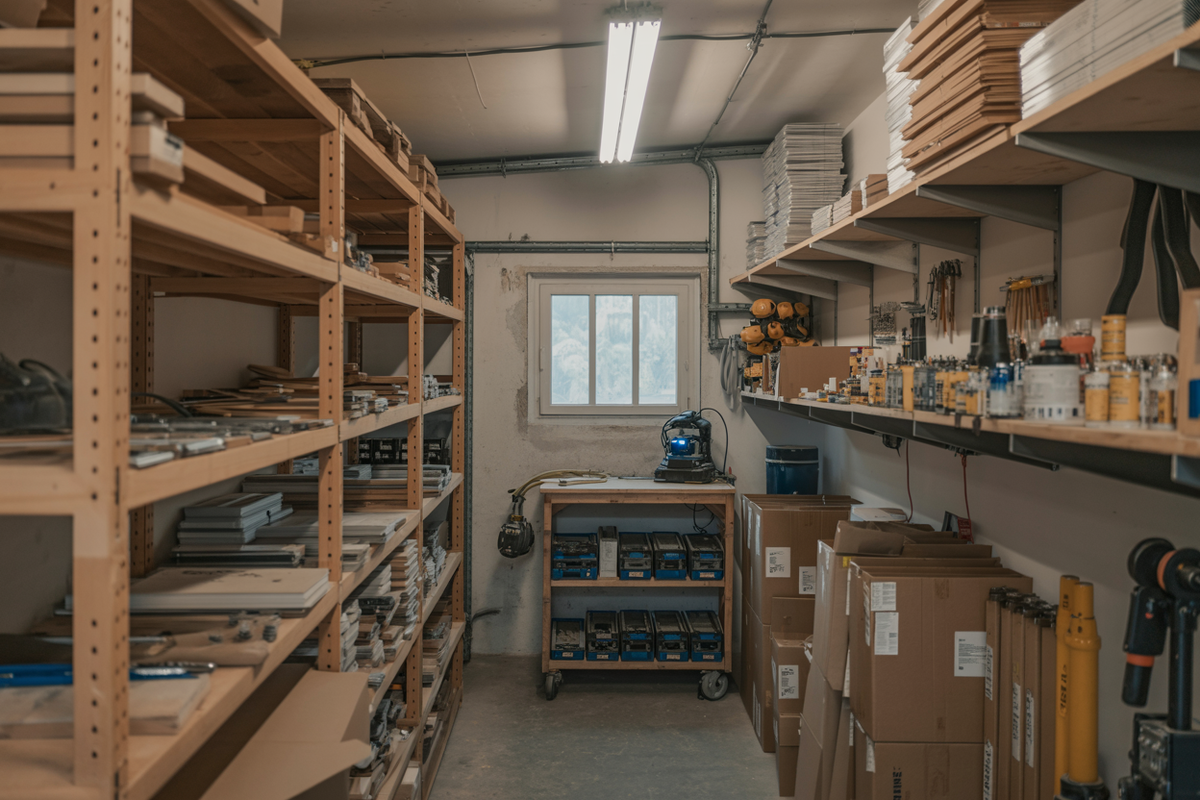
If you rent a shop, office, warehouse, storage space, or even a job site trailer, those rental payments are deductible. Many contractors rent additional space as they grow and often forget that utilities and maintenance for the rented space can also count.
This category can include:
• Rent for office or shop space
• Rent for storage units
• Rent for trailers or temporary project offices
• Utilities for rented spaces
• Business-specific property insurance
If the rented space is used exclusively for business, the full amount qualifies.
9. Professional Services

You do not have to do everything yourself. When you hire experts, their fees become tax deductions. This is especially helpful for contractors who bring in outside support for financial, legal, or operational help.
Deductible services often include:
• Legal fees
• CPA or accounting fees
• Bookkeeping services
• Business consulting
• Tax preparation
• Industry training or certifications
As long as the service supports your business operations, it is typically deductible.
10. Job Supplies

Job supplies are consumable items used during a project. They do not last long, they do not get depreciated, and they are bought repeatedly throughout the year. Even though each purchase feels small, the annual total is often substantial, and every dollar is deductible.
Job supplies often include:
• Caulk, adhesives, and sealants
• Sandpaper, painter’s tape, and drop cloths
• Screws, nails, brackets, and anchors
• Cleaning supplies and rags
• Disposable gloves, masks, and safety items
• Floor protection and plastic sheeting
• Temporary job site materials
Because these items are used directly on projects and do not retain long-term value, the IRS allows them to be deducted in full. Contractors who track supplies accurately often recover thousands through this category alone.
11. Branded Uniforms And Work Apparel

Not all clothing qualifies for a deduction, but work-specific apparel usually does. If the clothing is required for safety or has your company's branding on it, it can be written off.
Deductible apparel includes:
- Branded shirts, jackets, hoodies, or hats
- Steel-toe boots
- High visibility vests
- Protective gloves
- Safety glasses and ear protection
- Cold-weather gear used exclusively for work
Uniform maintenance may also qualify. For many remodelers, this is an easy deduction that gets overlooked.
12. Travel Expenses

Contractors travel more than they realize, and a significant portion of those trips qualify for tax deductions. Anytime you travel outside your local area for business purposes, the associated costs can be deducted.
This includes:
- Airfare and hotel stays for conferences or trainings
- Rental cars for out-of-town jobs
- Parking fees, tolls, and transportation costs
- Meals during overnight business travel
- Travel to inspect properties or meet clients
- Costs for visiting remote job sites
- Mileage not counted under the vehicle deduction
Travel must be primarily for business. As long as you document the purpose and keep receipts, these expenses reduce your taxable income meaningfully.
Take Control of Your Tax Savings in 2026
Taxes are never fun, but overpaying is even worse. The more organized you are, the more money you keep. The best contractors track expenses throughout the year instead of scrambling in March with a pile of receipts.
By taking advantage of these twelve categories, you can keep more of your earnings, invest in better tools, hire more help, and grow your remodeling business with confidence.
If you want help organizing your expenses, tracking deductions, or quoting projects faster, Handoff can simplify the admin work so you can focus on the job and keep your business profitable.
Frequently Asked Questions (FAQ)
What is the biggest tax mistake contractors make?
Most contractors miss deductions simply because they do not track expenses consistently. Small costs like supplies, mileage, or software add up over the year, and without proper records, they often go unclaimed.
Can contractors really deduct software and tools?
Yes. Software, apps, tools, and equipment used for your business are all legitimate deductions. In 2026, this is one of the most valuable categories as more contractors rely on digital tools to run their operations.
Should I use the mileage method or actual vehicle expenses?
It depends on how you use your vehicle. The mileage method is simpler and works well for high driving volume. The actual expense method can result in larger deductions if your vehicle costs are high. A CPA can help you choose the best option.
Do I need receipts for everything?
Yes, or at least clear records. The IRS expects documentation for deductions. Digital tracking, apps, or organized bookkeeping make this much easier and protect you if you are ever audited.
When should I talk to a CPA or tax professional?
Ideally before the year ends, not just at tax time. A good CPA can help you plan deductions, structure purchases, and avoid mistakes so you are not leaving money on the table.
Ready to win more jobs with less manual work? Try Handoff free →