The Problem with "More Modern, But Not Too Modern"
Most remodeling projects start the same way. A client sends a few saved photos, maybe a Pinterest board, and tries to describe how they want the room to feel. Usually something like: "cleaner, warmer, more modern, but not too modern."
That's technically a direction. It's not one you can build from.
The longer it takes to get to something visual, the more time gets lost in vague feedback, reference images that contradict each other, and back-and-forth about whether the room should feel "elevated." Handoff's rendering feature cuts that loop short. Upload a photo of the space, describe the direction, and you get a visual the client can actually react to — before anyone's committed to anything.
To show how it works, we skipped the generic showroom examples. We started with rooms everyone already knows: the Simpsons' living room, the Simpsons' master bedroom, the bathroom from Haunted Mansion, and the Home Alone attic.
The logic is simple. When you already know the original room, you can read the change immediately. No explanation needed.
How to Create a Rendering in Handoff
Open the image you want to work with, start your prompt with Create a rendering of this..., add the details your client gave you, and let Handoff do the rest.
What makes a prompt work is specificity. The best ones sound less like a vague idea and more like a real remodel brief.
A strong prompt should include:
- The overall style or direction
- Realistic material choices
- Approximate dimensions where scale matters
- Lighting and fixture updates
- The feel you want the room to have
- Whether the original layout should stay recognizable
The more specific you are, the more useful the result.
Example 1: The Simpsons’ Living Room
Everyone knows this room. Same couch, same layout, same wall. The brief was to update it without losing what makes it recognizable.
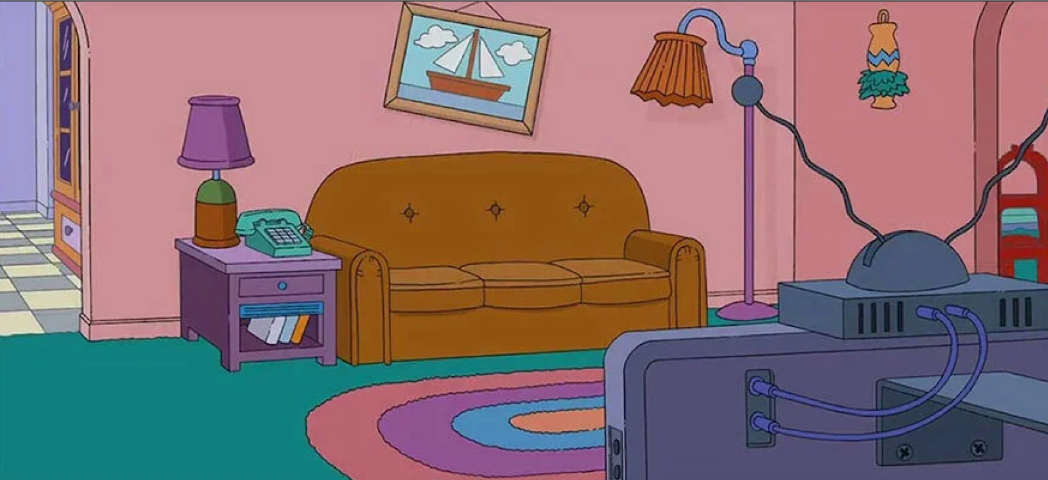
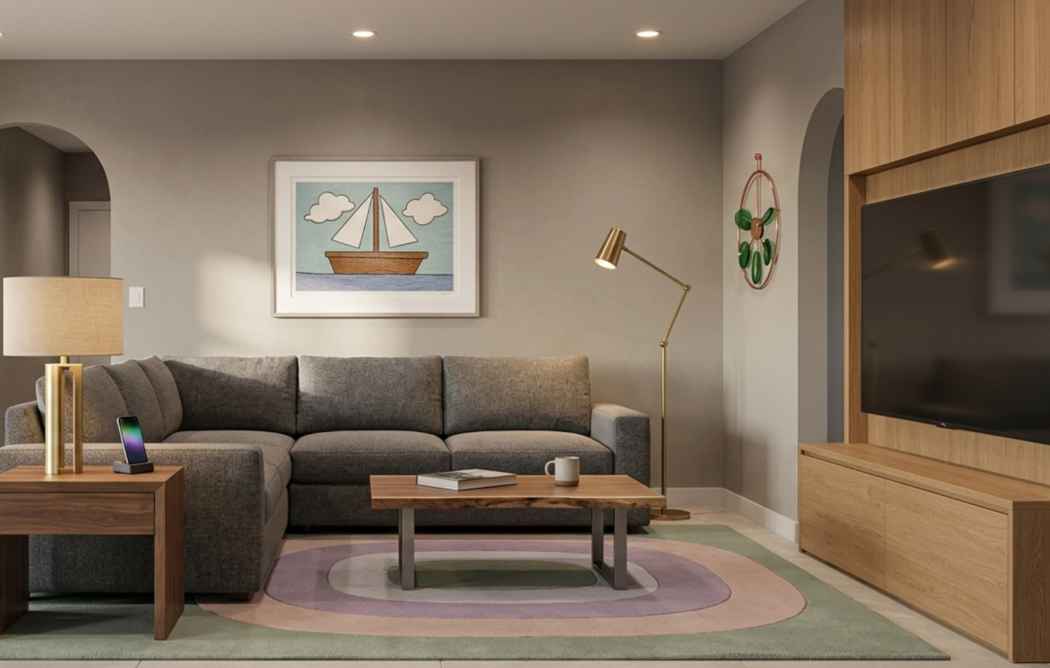
The layout stayed. The finishes didn't. It still reads as the Simpsons' living room — just one where someone actually invested in it. Marge, presumably, after redirecting part of Homer's Duff budget.
From here, you can build an AI Estimate directly from the render, or attach it to a proposal so the client sees the vision and the scope together. No more trying to explain the direction with screenshots and scattered notes.
The prompt we used:
Create a rendering of this iconic cartoon living room as a fully updated modern family room while keeping the original room layout recognizable, but clearly redesigning the space. Replace the existing sofa with a large L-shaped sectional in a warm beige or oatmeal performance fabric. Install wide plank wood-look flooring similar to Lifeproof LVP from Home Depot in a richer medium brown or smoked oak tone so the room feels noticeably more updated and different from the original. Add a large rectangular coffee table, one modern accent chair, and one smaller lounge chair with cleaner lines. Build custom-looking shelving with lower cabinet storage on the main wall using a white oak or walnut look, and make the built-ins feel more architectural and intentional. Paint the walls a warmer, more elevated neutral using a Behr color from Home Depot. Update the lighting with recessed ceiling lights, a more modern flush mount fixture, and two statement sconces. Add layered textures, realistic styling, and family-friendly finishes so the room feels polished, current, and like a real contractor-led remodel instead of just a realistic version of the original cartoon room.
Example 2: The Simpsons’ Master Bedroom
This is the most relatable brief in the whole post. Keep the layout. Make it feel better. Make it look like someone updated it this century.
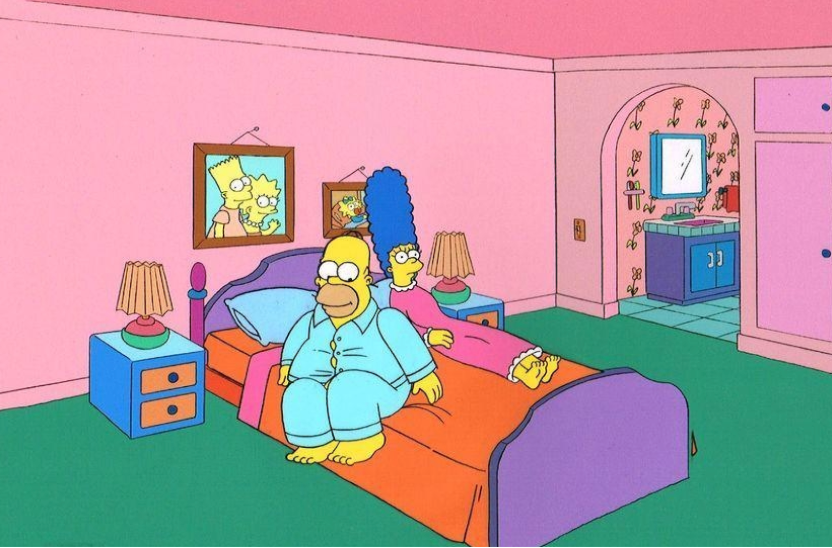
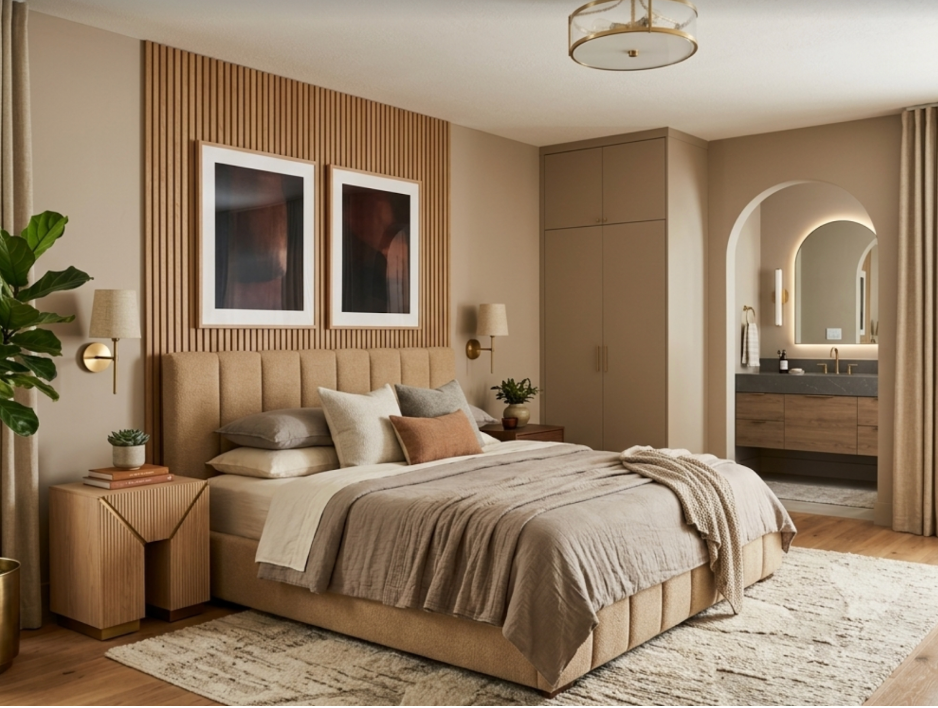
Same room, completely different feel. Your AI Teammate can put this together in minutes — and if the client wants every "make it brighter" or "keep it calming" note on record, Handoff's AI Transcription captures that too. When direction shifts mid-project, you have the paper trail to back it up.
The prompt we used:
Create a rendering of this iconic cartoon master bedroom as a fully redesigned warm modern primary bedroom while keeping the original room layout recognizable but clearly updating the style, finishes, and focal points. Replace the existing bed with a king-size upholstered bed in a textured beige or camel fabric with a taller channel-tufted headboard. Add two mismatched but complementary nightstands with a more modern shape, one in white oak with fluted drawers and one in a darker walnut tone for a more designer-led feel. Install wide plank wood-look flooring similar to Lifeproof or Home Decorators Collection LVP from Home Depot in a richer medium brown tone. Add a large 9x12 textured rug with more contrast under the bed. Create a new accent wall behind the bed using wood slat paneling or soft-painted wall molding to make the room feel noticeably different from the original. Paint the rest of the walls a warm, soft taupe or greige using a Behr color from Home Depot. Replace the existing lighting with a more modern semi-flush ceiling fixture and add two wall sconces or pendant lights over the nightstands instead of traditional table lamps. Update the bedding with layered neutral linens, add fuller drapery, a larger dresser, and more elevated artwork and accessories. Make the space feel warmer, more intentional, and clearly redesigned, not just a realistic copy of the original cartoon bedroom.
Example 3: The Bathroom From Haunted Mansion
This one already had the mood. We gave it better finishes and better lighting — a version of the room where the brief actually got resolved. The ghosts don't need the bathroom, but the finishes are there if they change their minds.
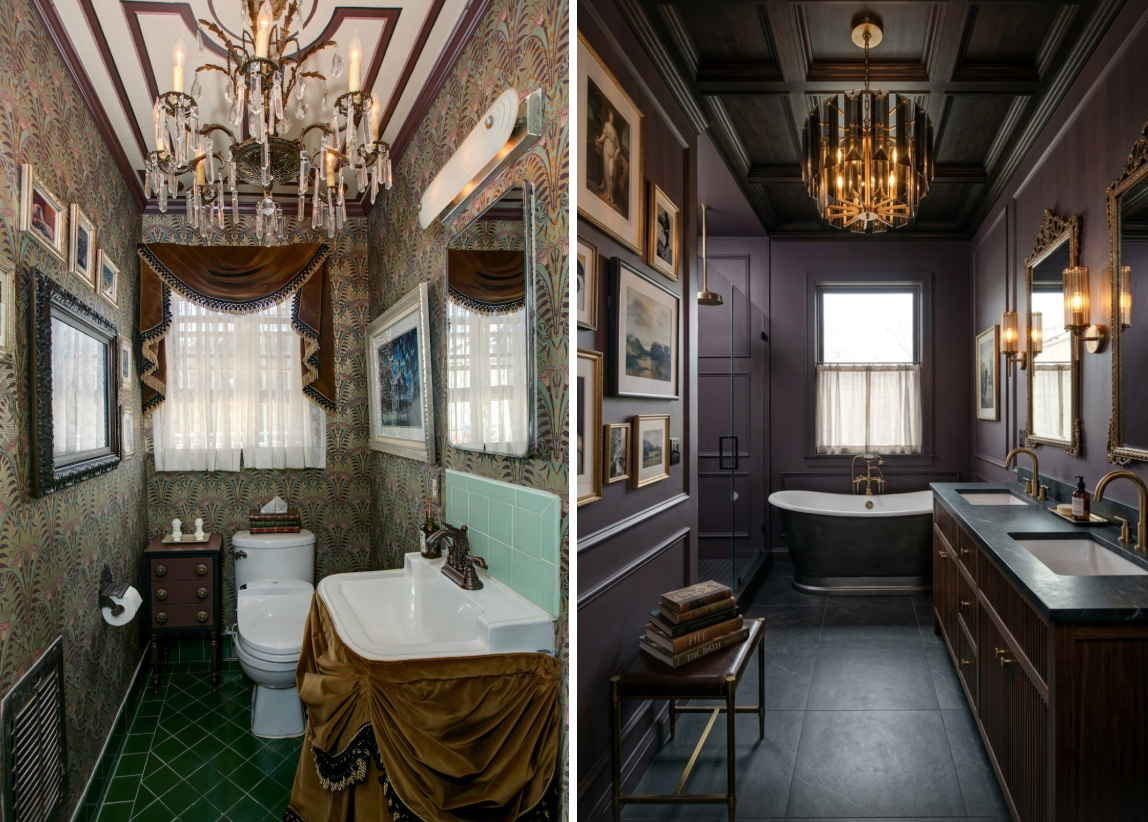
If the client wants to swap the tile after seeing the render, update the scope, push it into a Change Order, and keep everything — renders, notes, selections — organized through File Management. No haunted chaos.
The prompt we used:
Create a rendering of this bathroom from Haunted Mansion as a fully redesigned luxury primary bathroom while keeping the original room layout recognizable but clearly updating the style, color palette, and finishes. Replace the existing vanity with a dramatic 72-inch double vanity in deep walnut or near-black oak with fluted drawer fronts, brushed brass hardware, and a thicker quartz countertop that looks like honed soapstone. Replace the flooring with large-format stone-look tile from Lowe's in a richer charcoal or deep taupe tone. Paint the walls a bold moody color like smoky plum, deep olive, or warm black, and add picture-frame molding or wall panel detail to make the room feel more architectural and expensive. Add oversized antique-style mirrors, aged brass faucets, a sculptural freestanding soaking tub, and a frameless glass shower with dark metal trim. Replace the existing lighting with dramatic wall sconces and a more statement-making chandelier. Add richer contrast, warmer ambient lighting, and layered high-end styling so the room feels cinematic, elevated, and clearly different from the original movie bathroom.
Example 4: The Home Alone Attic
Attic rooms are always a challenge. Sloped ceilings, awkward corners, not a lot of forgiveness. They sound charming until you have to figure out how to make them feel finished.
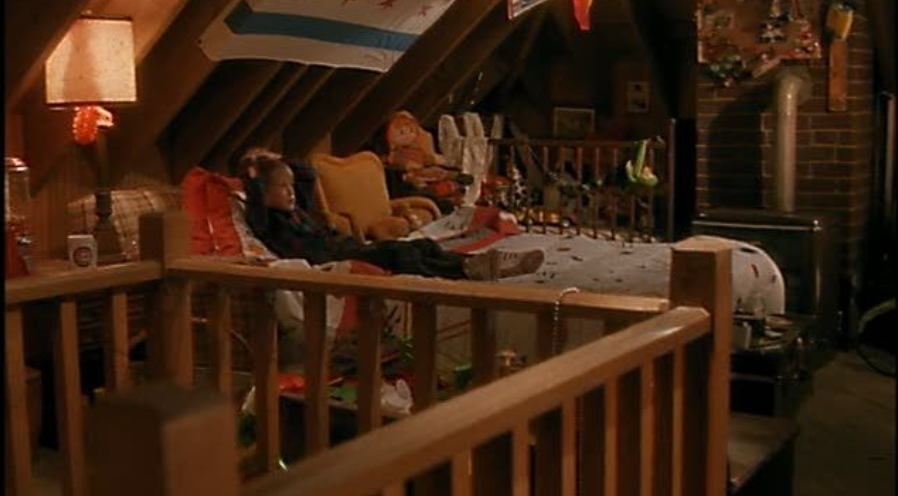
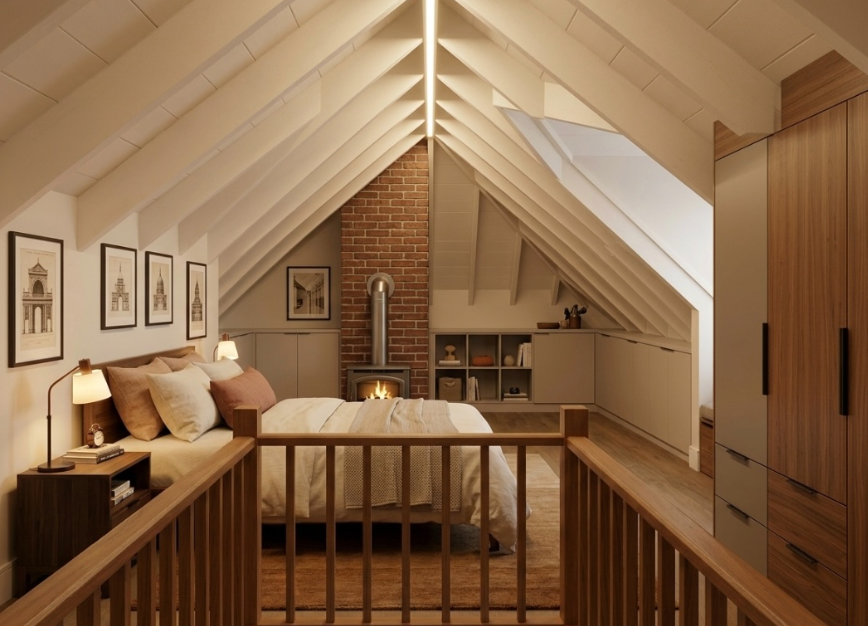
This is the kind of room every kid in that house would have fought over. Buzz include, though he'd never admit it.
Once the remodel's approved, create an Invoice and handle Payments through Handoff. Kevin's using his mom's credit card. That's between them.
The prompt we used:
Create a rendering of this iconic movie attic bedroom as a fully updated finished bonus room while keeping the original sloped ceiling layout recognizable, but clearly redesigning the space. Install wide plank engineered wood or wood-look flooring from Home Depot in a warmer medium oak tone. Add a queen-size upholstered bed with a more modern shape, two compact nightstands, and built-in storage under the eaves to make the layout feel more custom and functional. Paint the walls and ceiling a soft, warm white using a Behr color from Home Depot, and add more contrast with richer textiles, darker accent details, and a larger area rug. Replace the basic lighting with wall sconces and a more elevated flush mount or semi-flush fixture. Add a comfortable reading chair, a dresser, fuller bedding, and more intentional styling so the room feels warm, practical, and clearly updated like a real contractor-led attic conversion.
The Rendering Feature Is Live
Famous rooms aside, the use case is real. Clients struggle to describe what they want. The earlier you put something visual in front of them, the faster everyone gets aligned — and the less time gets lost in revision cycles and feedback that goes nowhere.
Pair a render with an AI Estimate, a scope of work, and a proposal, and you're not just showing a client what the room will look like. You're showing them you have it handled.
Handoff's rendering feature is live for all plans and active trial users. Upload a photo, write the prompt, and see what it builds.
Share your remodels with us on socials @handoff.ai
Ready to win more jobs with less manual work? Try Handoff free →