The Residential Building Opportunity
The residential construction world is at a turning point in 2025, going into 2026. Between rising demand, new technology, and major shifts in how and where people want to live, this industry is wide open for anyone with skill, drive, and a bit of entrepreneurial grit. If you’ve ever thought about becoming a builder, there’s probably never been a better time. This isn’t just a career path, it’s a chance to help shape the neighborhoods and communities we live in.
Homebuilding demand hasn’t slowed down, but the labor force has. That shortage has created a huge opportunity for anyone who knows how to deliver quality work and manage projects efficiently. The market tells the story clearly: North American residential construction is projected to hit nearly $0.9 trillion in 2025 and could top $1.1 trillion by 2030. The U.S. alone approved around 1.5 million new homes in 2024, yet it’s still not enough to keep up with demand. That gap, too few homes, too few builders, is where the next generation of residential contractors can make their mark.
This guide breaks down what it actually takes to step into this industry and thrive. We’ll cover the essential skills, training options, and licenses you’ll need, plus what to expect when starting your own building company. Whether you’re fresh out of high school, an experienced tradesperson ready to level up, or someone with a vision to build homes and businesses of your own, this roadmap will help you get there, one foundation at a time.
Understanding the Residential Building Industry
Residential construction is one of the largest and most vital parts of the North American economy, nearly a trillion dollars strong and still growing. But beyond the numbers, it’s a human industry built around one universal need: shelter. Every home tells a story of people, ideas, and the builders who make them real.
This field isn’t one-size-fits-all. It includes builders, remodelers, and developers, each serving different markets and clients. Some focus on large suburban communities. Others specialize in custom homes or renovations that breathe new life into old spaces. Every path has its own challenges, but all rely on the same foundation: craftsmanship, planning, and strong people skills.
In 2025, the industry stands at a major turning point. Rising material costs, supply chain issues, and labor shortages are reshaping how projects get done. At the same time, technology, from Building Information Modeling (BIM) to off-site construction, is helping builders work faster and smarter. Sustainability has also gone mainstream; homeowners now expect efficient, eco-friendly homes, and builders who deliver them are leading the way.
To succeed in this evolving landscape, adaptability is key. The builders who thrive in the years ahead will be the ones who understand the trends, read the market, and carve out a niche that fits their strengths.
Essential Skills and Knowledge Foundation To Become A Home Builder
Becoming a successful residential builder isn’t about mastering one trade, it’s about developing a well-rounded skill set that blends hands-on expertise with business sense. The best builders know how to swing a hammer and read a balance sheet. It’s this mix of technical know-how and leadership that builds a lasting, profitable business.
Technical Skills and Knowledge
Every great builder starts with the basics, knowing how homes actually come together. From blueprints to finishing touches, you need to understand both the how and the why behind every step.
1. Construction Methods
Good builders understand more than just technique, they understand building science. That means knowing how materials interact, how to balance cost and durability, and how to make smart, long-term choices on every job.
2. Material Selection
Picking the right materials is part art, part science. Builders today need to know both traditional and sustainable options and which choices make sense for each budget, climate, and design style.
3. Codes and Compliance
You can’t build what doesn’t meet code. Staying current on local regulations, zoning laws, and permits keeps projects legal, safe, and efficient and saves you headaches down the road.
4. Math and Blueprints
Numbers and drawings are the language of construction. You’ll use math daily for measurements, estimates, and layouts and accurate blueprint reading keeps everyone on the same page, literally.
Business and Soft Skills
Technical skill gets a home built. Business and people skills keep your business growing. The most successful builders know how to lead teams, manage clients, and make sound financial decisions.
1. Project Management
Every project has moving parts: budgets, timelines, and teams. Great builders plan ahead, track progress, and communicate clearly. They handle problems before they become delays and keep projects on time and stress-free.
2. Leadership and Team Management
A strong builder creates a strong crew. Leadership means setting clear expectations, delegating well, and motivating your team. When people enjoy working with you, the quality of the work shows.
3. Sales and Client Relationships
Winning jobs isn’t just about price, it’s about trust. Listen to clients, explain your process clearly, and stay transparent with costs and timelines. A satisfied client becomes your best referral source.
4. Financial Management
Construction is a business, and profit depends on discipline. Track expenses in real time, know your margins, and control cash flow. Smart financial management keeps your business healthy through both busy and slow seasons.
Education and Training Pathways - How To Become A Homebuilder
There’s no single route to becoming a residential builder. Everyone in this business seems to have taken a different path, some came up through the trades, others went the college route, and plenty learned by jumping straight into the field. The good news is, the construction world values skill and results more than a piece of paper. Still, understanding your options can help you choose the best starting point for your goals.
Formal Education Options
If you like structure and want a solid foundation before jumping in, formal education can help you understand the full scope of construction, from design and budgeting to management and compliance.
1. Construction Management Degrees
A degree in construction management is the clearest path to leadership. You’ll study blueprints, estimating, scheduling, and contracts, plus business essentials like accounting and marketing. Most programs include internships that put you on real job sites where theory meets practice.
2. Trade Schools and Technical Programs
If you want to get building sooner, trade schools are the fast track. You’ll learn hands-on trades like carpentry, electrical, or plumbing work and get immediate field experience. Many builders start here, then grow into leadership or ownership roles.
3. Engineering and Architecture Degrees
Civil engineering and architecture degrees aren’t just for designers. Engineers bring problem-solving and technical insight to complex builds, while architects understand design, layout, and aesthetics. Both paths give you an edge, especially if you’re interested in custom homes or design-build projects.
Apprenticeship and On-the-Job Training For Becoming A Residential Home Builder
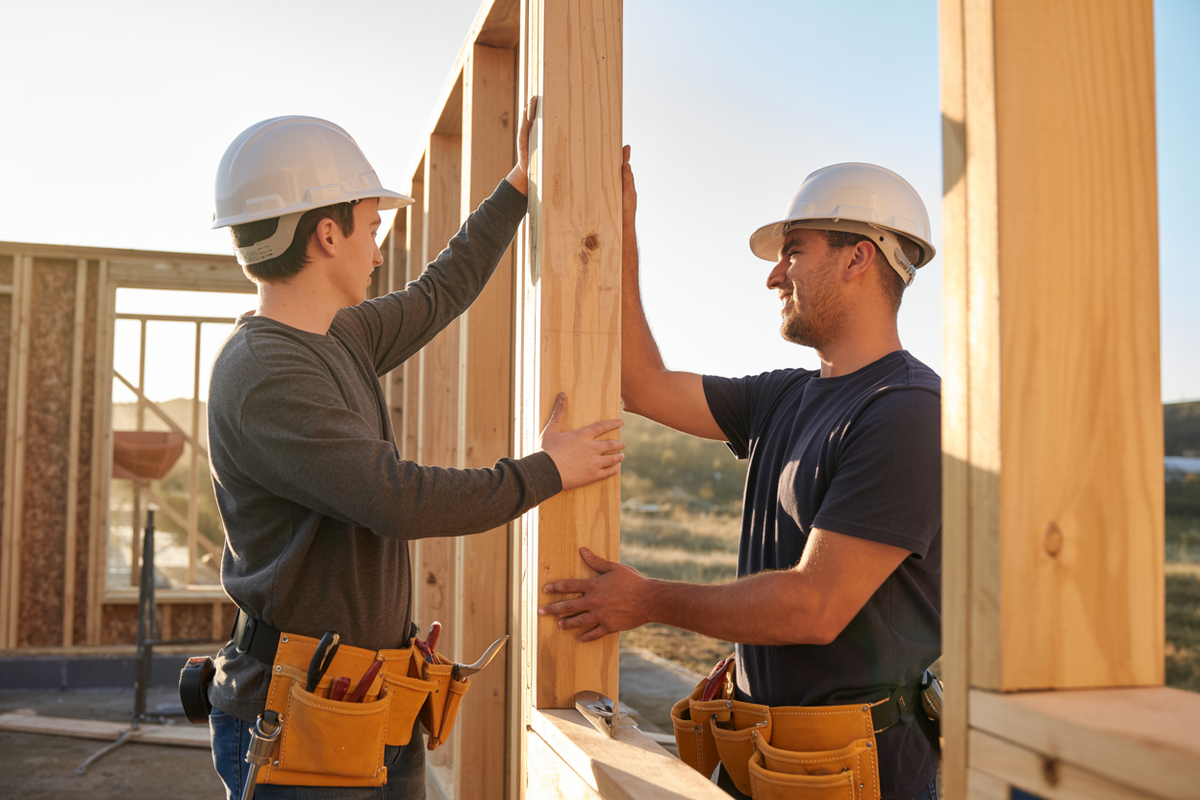
The best way to learn construction is by doing it. Apprenticeships combine hands-on work with classroom learning, teaching you the skills, discipline, and confidence to build a lasting career.
1. Union Apprenticeships
Union programs are top-tier, three to five years of paid training alongside experienced journeymen. You’ll earn a recognized journeyman certification and gain access to steady, high-paying work across the country.
2. Non-Union Apprenticeships
Many private builders offer similar programs with more flexibility. You’ll get paid to learn, build real experience, and often move up faster, a great option if you plan to start your own company later.
3. Learning by Doing
Nothing replaces jobsite experience. Start small, remodel a room, frame a wall, or volunteer on a local project. Every build sharpens your skills and confidence in ways no classroom can.
Licensing and Legal Requirements For New Home Builders
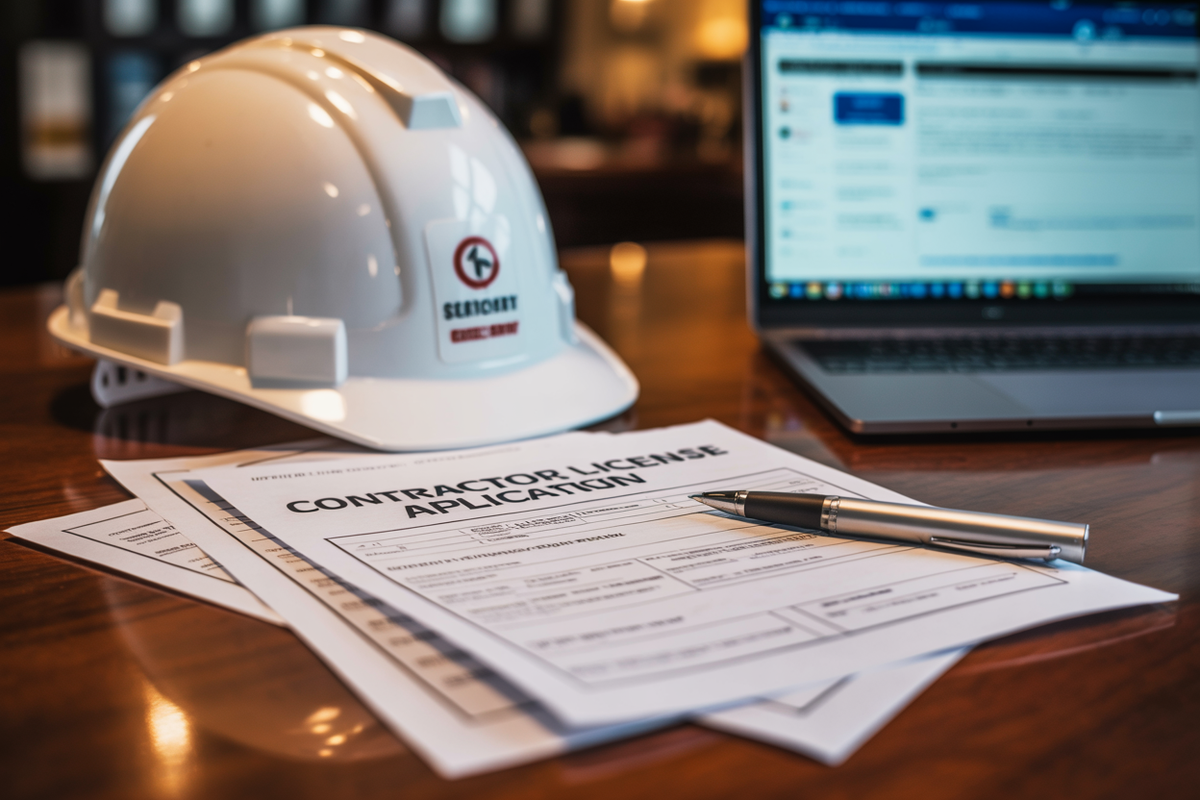
Getting licensed might not be the most exciting part of becoming a builder, but it’s one of the most important. Construction is heavily regulated for good reason: safety, quality, and consumer protection. The challenge is that every state (and sometimes every city or county) plays by its own rules. It can feel like a maze at first, but with a little research and prep, you’ll get through it just fine.
A. Understanding Licensing Requirements
There’s no national contractor license in the U.S., it’s all handled at the state and local level. That means your exact requirements depend on where you plan to work. Some states have one general contractor license that covers almost everything, while others split it up by category: residential, commercial, electrical, plumbing, HVAC, and so on. A few states don’t have statewide rules at all, leaving licensing to local governments.
1. Research Your State
Start by visiting your state’s contractor licensing board website. You’ll find details on license types, qualifications, fees, and application steps. If you plan to work in multiple states, look for side-by-side comparison guides, they’ll save you hours of digging.
2. General vs. Specialty Licenses
A general contractor license usually lets you manage full projects, like new builds, remodels, or additions. But if you’ll perform specific trades yourself (electrical, plumbing, HVAC), you’ll likely need extra specialty licenses. Make sure you also know the difference between residential and commercial classifications; they often require separate credentials.
B. Application Process and Requirements
Once you know which license you need, it’s paperwork time. The process takes patience, but it’s straightforward if you’re organized.
1. Prep Before You Apply
Most states want proof of experience, like a few years in the field, plus financial responsibility.
You’ll likely need:
- A surety bond, protecting clients if a project goes unfinished
- General liability insurance
- Workers’ comp if you employ a crew
These aren’t just legal boxes to check, they show clients you’re serious and professional.
2. Pass the Exams
Most states require at least one test. Expect a trade exam on construction methods and codes, plus a business and law exam on contracts, liens, and taxes. Prep courses and online guides can help you pass the first time. Treat it like an investment once you’re licensed, you’ve earned the credentials that set real builders apart from the rest.
Starting Your Residential Building Business - Becoming A Home Builder

Starting Your Residential Building Business
Starting your own building company is exciting and serious. It’s your chance to turn years of experience into ownership. But running a business takes more than skill on the jobsite. You’ll need a plan, discipline, and a clear handle on your numbers.
A. Business Planning and Structure
A business plan is your blueprint. Keep it simple: define your goals, services, market, and how you’ll make money. Update it as you grow.
1. Choosing Your Structure
Your legal setup affects taxes, liability, and funding:
- Sole Proprietorship – Easy to start, but you’re personally liable.
- Partnership – Works if you’re teaming up; get everything in writing.
- LLC – Popular with small builders; protects personal assets and offers tax flexibility.
- Corporation – Best for larger firms or investors; more paperwork, more protection.
Talk to an accountant and attorney before deciding small mistakes here can cost big later.
2. Financial Planning
Starting up takes cash… tools, trucks, insurance, marketing, and payroll all add up. Build a startup budget that covers essentials and keeps at least 3–6 months of working capital. Add a backup fund for surprises. Know when you’ll break even.
B. Funding Your Business
Money’s the hardest part, but you have options if you’re prepared.
1. Traditional Loans
Banks and SBA loans are great starting points. Be ready with your business plan, financials, and solid credit. SBA programs often mean lower rates and easier approval.
2. Alternative Funding
If banks pass, try:
- Invoice factoring – Get paid faster by selling unpaid invoices.
- Equipment financing – Spread big purchases over time.
- Supplier credit – Build trust with vendors for better terms.
- Private investors – Trade equity or profit shares for startup funding.
Start lean, spend smart, and track every dollar. Growth comes from consistency, not risk.
Building Your Client Base and Marketing - How To Get New Home Building Clients

Once your business is up and running, the next step is finding clients and keeping them. Good work matters, but people have to see it and trust you to hire you. Marketing doesn’t have to be fancy or expensive; it just needs to get you noticed, build credibility, and bring in steady leads.
A. Marketing Strategies for Builders
The best builders use both online and local marketing to reach homeowners wherever they are scrolling on their phones or walking through the neighborhood.
1. Digital Marketing and Online Presence
Your website is your storefront. Keep it clean, professional, and full of proof with project photos, before-and-afters, and client reviews.
Use SEO so people can find you when they search “home builder near me” or “kitchen remodel Austin.” Create a Google Business Profile, gather reviews, and post updates or blogs regularly.
On social media, platforms like Instagram, Facebook, and Houzz help you show your work. Post quality photos, short videos, and behind-the-scenes shots. It’s not just promotion, it’s relationship building.
2. Traditional Marketing
Old-school still works. Sponsor local events, advertise in community magazines, or show up at home shows. People trust local names they’ve seen around.
Network with architects, designers, and real estate agents, they often meet homeowners before you do. Build those relationships and stay top of mind.
B. Referrals and Relationships
In construction, word-of-mouth beats any ad campaign. A happy client can easily lead to three more if you handle it right.
1. Customer Referral Programs
Keep it simple. Offer a small thank-you, such as a gift card, discount, or service upgrade when a client refers someone who hires you. Follow up personally to thank them and log where your referrals come from.
2. Professional Network Development
Don’t just network…partner. Architects, designers, and realtors all need dependable builders they can recommend. Deliver consistent quality, and they’ll keep sending clients your way. Join local builder associations and stay visible in your community.
At the end of the day, marketing is about trust. Earn it, keep it, and the rest, like leads, referrals, and reputation will follow.
Technology and Modern Tools For New Home Builders

Technology and Modern Tools
The construction industry isn’t stuck in the past anymore. Today’s builders are using smarter tools, better materials, and faster systems to run more efficient, profitable businesses. From project software to energy-efficient materials, tech is reshaping how we build and how we compete.
Keeping up isn’t optional. The right tools save time, cut costs, and make your clients happier. Falling behind just makes the job harder.
A. Construction Management Software
Clipboards and spreadsheets are history. Modern construction software keeps everything from estimates to schedules, in one place. It keeps your team aligned and your jobs running smoothly.
1. Project Management Platforms
Think of these as your digital command center. Software can help you manage budgets, timelines, subs, and client updates in real time. You can share blueprints, contracts, and progress reports instantly, which means no more guesswork or missed messages.
2. Estimating and Bidding Tools
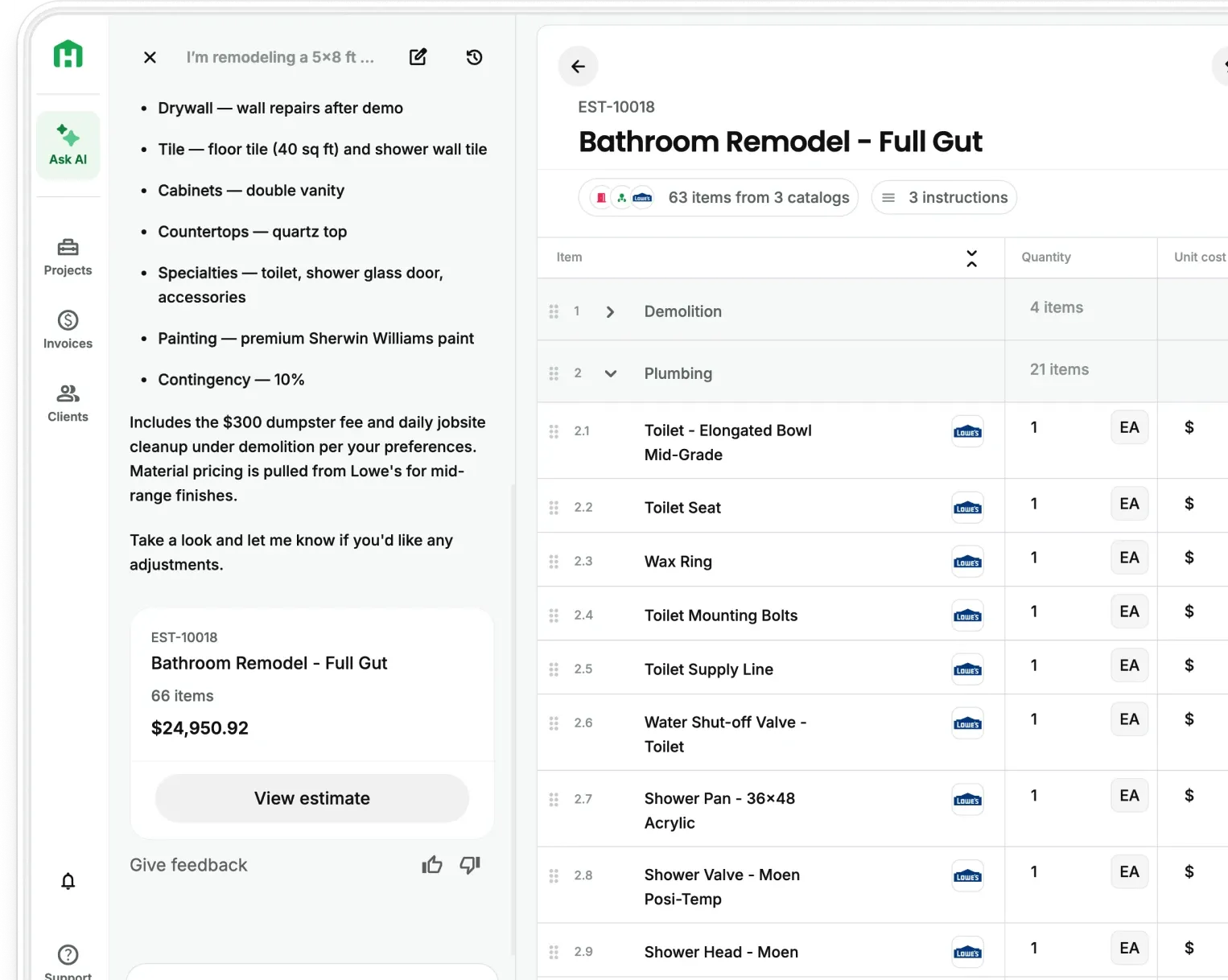
Accurate bids keep your business alive. Tools like Handoff let you create digital takeoffs, access live cost data, and send polished proposals fast. You’ll bid with confidence, win more jobs, and protect your margins.
B. Emerging Technologies in Construction
New tech is transforming how builders work, faster, smarter, and greener than ever.
1. Building Information Modeling (BIM)
BIM lets you plan and visualize projects in 3D before construction begins. You can catch design issues early, coordinate trades, and test different cost scenarios. The payoff: fewer mistakes, fewer delays, and better-built homes.
2. Smart Home and Green Building
Homeowners want efficiency, comfort, and smart tech built in. Staying up to date on green building, sustainable materials, better insulation, solar design, gives you a real edge.
Add modern features like smart lighting, climate control, and security systems, and your homes instantly stand out. Builders who can integrate this tech aren’t just keeping up and they’re leading the market.
Managing Projects and Operations
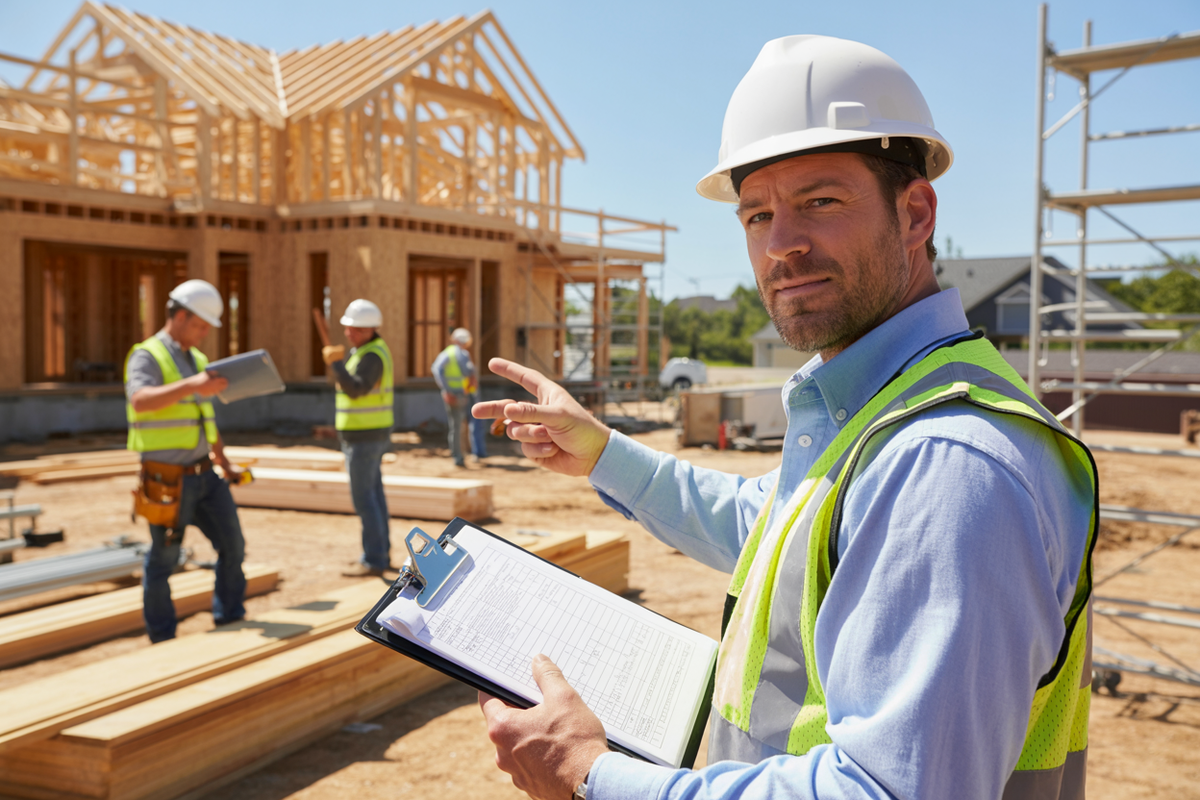
Behind every successful builder is a tight operational system and one that keeps jobs on schedule, crews aligned, and clients confident. The builders who thrive don’t just build well, they plan well, communicate clearly, and stay ahead of problems before they turn into delays.
A. Project Lifecycle Management
Every project follows a rhythm: plan, build, finish. Managing each phase with structure keeps you organized and your clients at ease.
1. Pre-Construction
The real work starts before construction begins. This phase sets the tone for the whole job:
- Assess the site and confirm feasibility
- Secure permits and approvals
- Finalize budgets, timelines, and contracts
- Line up subs and suppliers
The more details you lock in early, the fewer surprises you’ll deal with later.
2. Construction Phase
Once the build starts, organization and communication are everything. Stay on top of progress with daily check-ins, clear schedules, and close coordination between trades.
Keep materials flowing, monitor budgets, and update clients regularly. Problems will happen, what matters is handling them fast and professionally.
3. Project Completion and Handover
This is where your reputation sticks. Do a full walkthrough, finish the punch list, and ensure all inspections and approvals are done.
Provide a simple handover package with warranty details, maintenance info, and contact numbers. A clean closeout leaves clients impressed and leads to referrals.
B. Subcontractor and Supplier Management
Your subs and suppliers are your brand in motion. Choose well, treat them right, and they’ll help your business run smoothly.
1. Building Your Trade Network
Vet every trade: licenses, insurance, quality, and reliability. Keep the ones who show up, communicate, and deliver.
Strong, long-term relationships built on fairness and respect lead to better results and fewer headaches.
2. Supply Chain Management
Material delays and price spikes can kill profits. Build loyalty with key suppliers to secure better pricing, payment terms, and priority deliveries.
Track inventory, confirm schedules early, and always have a backup plan. A steady supply chain keeps jobs moving and margins safe.
Financial Management and Growth For New Builders
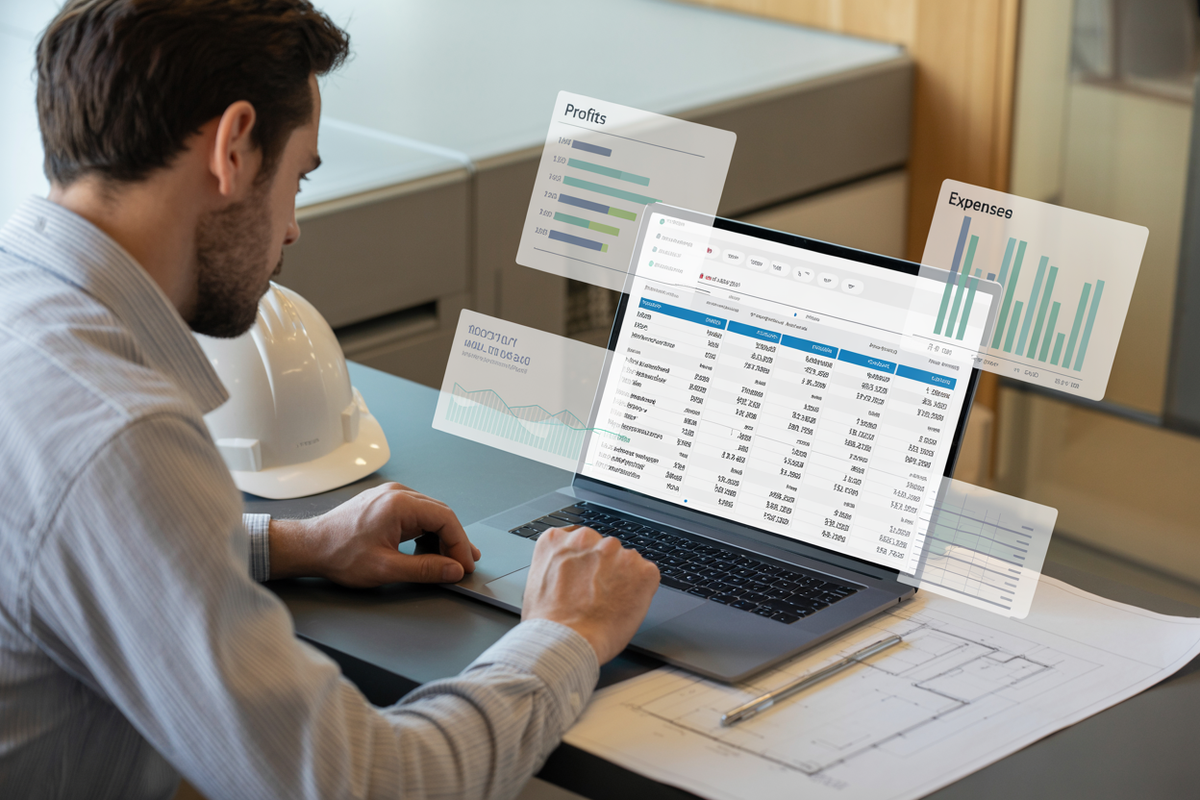
Running a building business isn’t just about what you build, it’s about what you keep. Profit doesn’t happen by accident. You have to track it, protect it, and make smart financial decisions that keep your business steady and growing. Managing cash flow, controlling costs, and planning ahead are what separate long-term pros from short-term players.
A. Financial Controls and Reporting
Smart financial management starts with clarity. You can’t fix what you don’t measure, so your accounting system needs to be accurate, consistent, and built for construction.
1. Accounting Systems and Practices
Construction accounting is its own animal, multiple jobs, long payment cycles, and variable costs.
Track every project’s income, expenses, and change orders. Create a chart of accounts that separates materials, labor, subs, and overhead. Update your numbers weekly — the builders who stay on top of their books are the ones who catch problems early.
2. Key Performance Metrics
Financial reports tell part of the story. The rest comes from metrics that show how efficiently you’re running. Watch these closely:
- Gross Profit Margin – What you keep after direct costs
- Net Profit Margin – What’s left after everything else
- Cash Flow – Money coming in vs. money going out
- ROI (Return on Investment) – How effectively your money works for you
- Change Order Ratio – How well you handle project changes
If these numbers are healthy, your business is too.
B. Scaling and Growing Your Business
Once your finances are steady, you can think about growth, but do it intentionally. Fast growth without systems just creates bigger chaos.
1. Expansion Strategies
There are three smart ways to grow:
- Expand your service area – Take on nearby markets.
- Diversify your services – Add remodeling or design-build.
- Increase project size – Move from small jobs to full builds.
Tackle one strategy at a time, tighten operations as you go, and never trade quality for speed.
2. Exit and Succession Planning
Even if retirement feels far off, plan early. Decide now whether you’ll sell, pass it on, or scale back into consulting.
Clean books, strong branding, and documented systems make your business more valuable. If you plan to hand it down, start training your replacement years before you need one.
Anyone can build houses. Building a business that lasts beyond you, that’s the real achievement.
Industry Trends and Future Outlook
Residential construction never stays still. Markets shift, tech evolves, and homeowners’ needs change fast. For builders who pay attention, those shifts aren’t problems, they’re opportunities. Staying ahead of trends helps you make smarter moves, adapt quickly, and build a business built to last.
A. Market Trends and Opportunities
The constant in this industry is demand, people always need homes. But what they want, and where they want it, keeps evolving.
1. Housing Market Projections
Demand across North America remains strong, but buyer preferences are shifting toward:
- Smaller, affordable homes with good design and efficiency.
- Walkable, mixed-use neighborhoods close to work and amenities.
- Multi-generational layouts that bring families under one roof.
These trends open the door for infill housing, ADUs, and compact, creative builds. Builders who focus on efficient design and smart use of space will stay busy for years to come.
2. Technology and Innovation
Tech is quietly revolutionizing construction:
- Automation and robotics are handling repetitive labor.
- Prefabrication and modular methods are cutting waste and saving time.
- AI tools are optimizing costs, scheduling, and even design.
Forward-thinking builders are already using these systems to work faster and smarter, gaining a major edge over competitors who still do things the old way.
B. Sustainability and Environmental Shifts
Sustainability isn’t a buzzword anymore, it’s the new baseline. Homeowners want energy-efficient, eco-friendly homes, and new codes are pushing builders to deliver them.
1. Green Building Practices
Green building means using better materials, tighter insulation, efficient HVAC, and renewable options like solar. Certifications such as LEED, Energy Star, and NGBS add credibility and make homes easier to sell.
2. Codes and Compliance
Energy codes and material regulations are tightening across North America. Expect higher efficiency requirements for insulation, windows, and HVAC systems.
Staying compliant keeps you ahead of penalties, but more importantly, it positions you as a leader in sustainable building.
Smart builders don’t just follow trends…they anticipate them. That’s how you stay relevant, profitable, and trusted in an industry that never stops evolving.
Resources and Next Steps
Becoming a successful builder isn’t a finish line, it’s a process. The best builders keep learning, adapting, and staying ahead of change. Whether it’s new codes, tech, or building techniques, knowledge is your edge. Luckily, there’s no shortage of resources to help you keep growing.
Professional Development Resources For Becoming A New Residential Home Builder
1. Industry Associations
- National Association of Home Builders (NAHB) – The leading organization for U.S. home builders. Offers training, certifications, data, and industry advocacy.
- Associated General Contractors (AGC) – Supports both union and non-union builders with education, safety programs, and legislative support.
- Local Builder Associations – Join your local chapter. Great for networking, finding subs, and staying up to date on regional trends. Many host trade shows and workshops worth attending.
2. Continuing Education and Certification
- Certifications – Programs like Certified Graduate Builder (CGB) and Certified Green Professional (CGP) add credibility and help you stand out.
- Ongoing Education – Most states require CE hours to renew licenses. Even if not, regular training keeps you sharp on new codes, materials, and safety practices.
- Conferences and Events – National shows like the International Builders’ Show (IBS) or local expos are perfect for networking and seeing the latest tools, tech, and trends.
Tools and Technology Resources
1. Software and Systems
- Construction Management Tools – Platforms like Handoff and Procore keep your jobs organized, budgets tight, and clients in the loop.
- Accounting Software – Tools like QuickBooks Contractor Edition, Knowify, and Jonas Premier simplify financial tracking and help you make smarter business calls.
2. Industry Publications and Online Resources
- Trade Magazines – Professional Builder, Builder Magazine, and Journal of Light Construction cover everything from trends to business tips.
- Online Communities – Bookmark your state licensing board, the NAHB resource center, and forums like ContractorTalk to stay connected and share insights with other builders.
Conclusion: Your Path to Success As A Residential Home Builder
Becoming a successful builder isn’t easy, but it’s worth it. It takes more than skill, it takes vision, persistence, and the drive to keep improving.
The 2026 construction landscape is full of opportunity. Housing demand is strong, skilled builders are in short supply, and technology is transforming how we build. For those willing to adapt and lead, there’s never been a better time to start.
Success comes from mastering your craft, managing your business, and building strong relationships. Keep learning, stay innovative, and focus on trust, that’s what creates lasting growth. You’re not just building homes; you’re shaping communities and leaving a legacy.
The Future Is Here with Handoff
AI isn’t coming, it’s already here. Tools like Handoffhelp builders work smarter by automating the busywork: scheduling, estimating, client updates, and cost tracking. It gives you more time to focus on what matters, building great homes.
How Handoff Helps:
- Automates schedules, reminders, and progress tracking
- Keeps clients updated with reports and photos
- Delivers accurate, data-driven cost estimates
- Coordinates subcontractors and prevents delays
Fewer headaches. Happier clients. Healthier margins.
Visit handoff.ai to see how automation can streamline your builds and grow your business with less stress.
Frequently Asked Questions (FAQ)
Is this a good time to become a home builder?
Yes. Housing demand is still strong, while skilled builders are in short supply. That creates real opportunity for people who can deliver quality work and manage projects well.
Do I need a degree to become a builder?
No. A degree can help, but it isn’t required. Many successful builders come up through trades, apprenticeships, remodeling, or jobsite experience and then grow into managing full projects.
Do I need a license to build homes?
Usually, yes. Requirements depend on your state or city, but most areas require some combination of experience, exams, insurance, and registration before you can legally operate as a contractor or builder.
What is the hardest part of starting a home building business?
Usually the business side, not the building side. Cash flow, pricing jobs correctly, finding steady work, and managing people are often harder than the actual construction.
Can I start in remodeling and later become a home builder?
Yes, and that’s one of the most common paths. Remodeling gives you hands-on experience with construction, clients, budgets, and scheduling, which makes it a strong foundation for moving into full home building later.
Ready to win more jobs with less manual work? Try Handoff free →