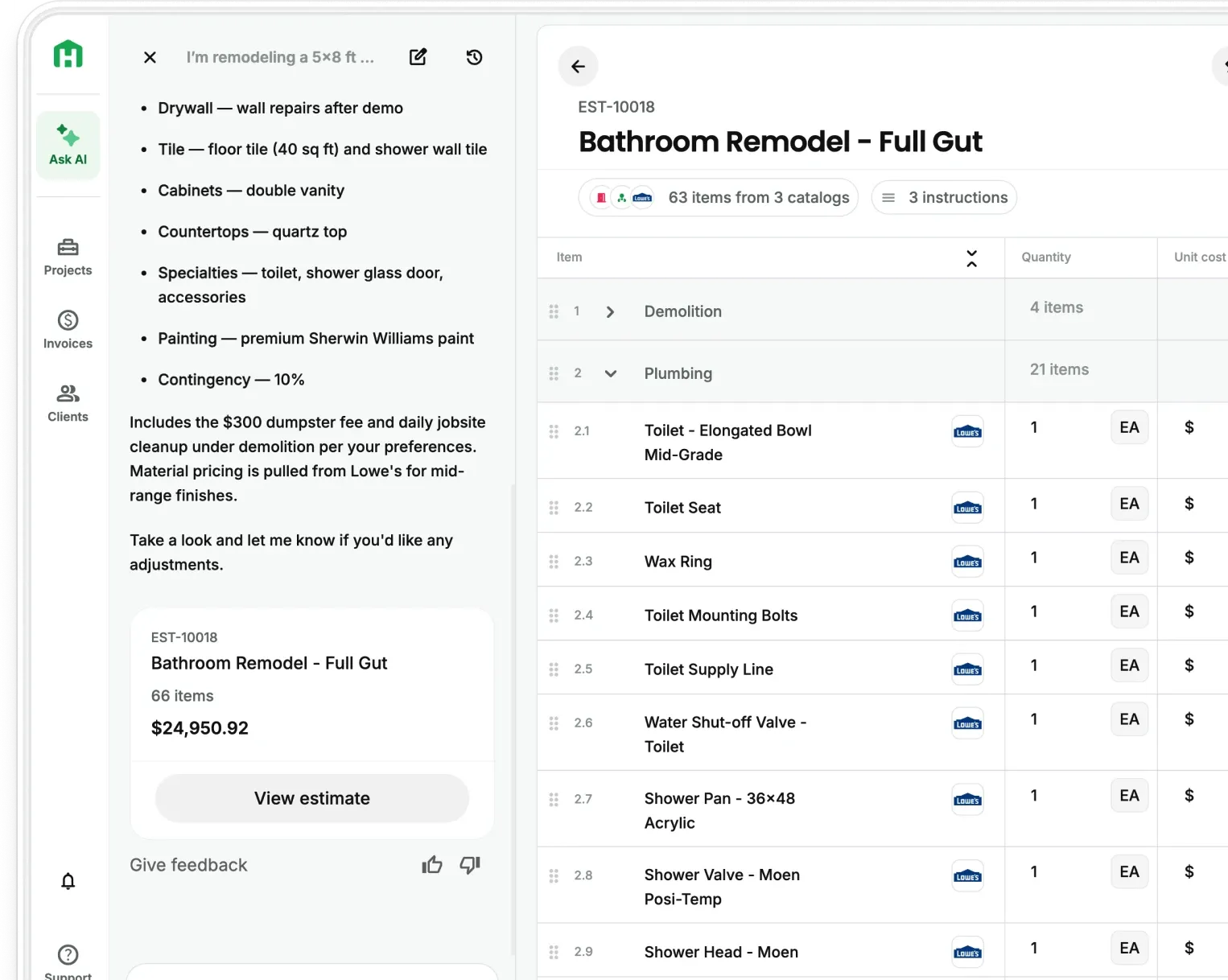
Most contractors don’t have a lead problem, they have a system problem.
I know because I came into construction from the marketing world. On paper, generating leads looked simple: build a site, run some ads, post projects, wait for the phone to ring. In reality? Missed calls, tire-kickers, low-budget jobs, and long gaps between solid projects.
Over time, working alongside real builders and GCs, one thing became obvious: the contractors who consistently stay busy don’t rely on one magic source for leads. They stack a few fundamentals, execute them well, and run their business like a machine instead of a guessing game.
This guide breaks down 7 proven ways to get more construction leads, not theory, not trends, and not “marketing hacks.”
Just practical strategies that working contractors can actually use, whether you’re trying to fill your schedule, raise project quality, or stop chasing bad leads altogether.
If you’re a GC trying to grow without burning time or margins, this is the playbook
Get More Construction Leads - Overview
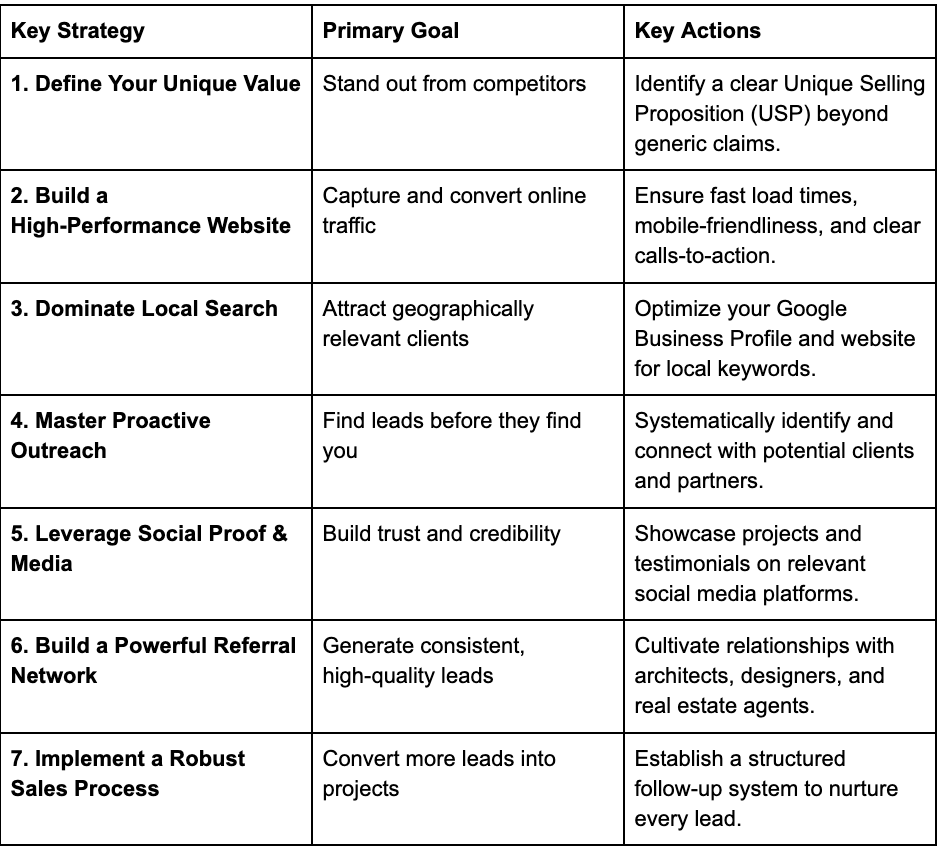
1. How Can You Stand Out in a Crowded Market?

The most effective way to differentiate your construction company is by defining and communicating a powerful Unique Selling Proposition (USP).
Many contractors default to phrases like "professional and family-run," which are common and fail to capture attention. Your USP is the core reason a client should choose you over another contractor, and it directly influences your ability to price your jobs for profit.
To develop a strong USP, consider what you do exceptionally well. Do you specialize in a particular type of project, like sustainable building or historic renovations?
Do you offer a unique process, such as a proprietary project management system that guarantees on-time completion? Your answer to these questions is the foundation of a compelling brand identity that will resonate with your target audience and is easily understood by answer engines.
Actionable Steps to Define Your USP:
- Analyze Your Competition: Identify the top 5-10 construction companies in your area. What are their stated specialties? What are their weaknesses? Your USP should fill a gap in the market.
- Survey Your Best Clients: Ask your happiest clients why they chose you and what they valued most about your service. Their answers often contain the seeds of your strongest USP.
- Focus on a Niche: Instead of being a generalist, consider specializing in a high-demand niche such as kitchen and bath remodels, commercial tenant improvements, or eco-friendly construction. Specialization allows you to command higher prices and attract more qualified leads.
2. What Makes a Construction Website a Lead-Generation Machine?

Your website is your digital storefront and a critical tool for lead generation. In 2026, a high-performance website must be more than just a digital brochure; it must be fast, secure, and optimized for both users and search engines. Key elements include:
- Technical Excellence: Your site must load quickly (under 2 seconds), be mobile-friendly, and secure (HTTPS). These are foundational ranking factors for Google and other search engines.
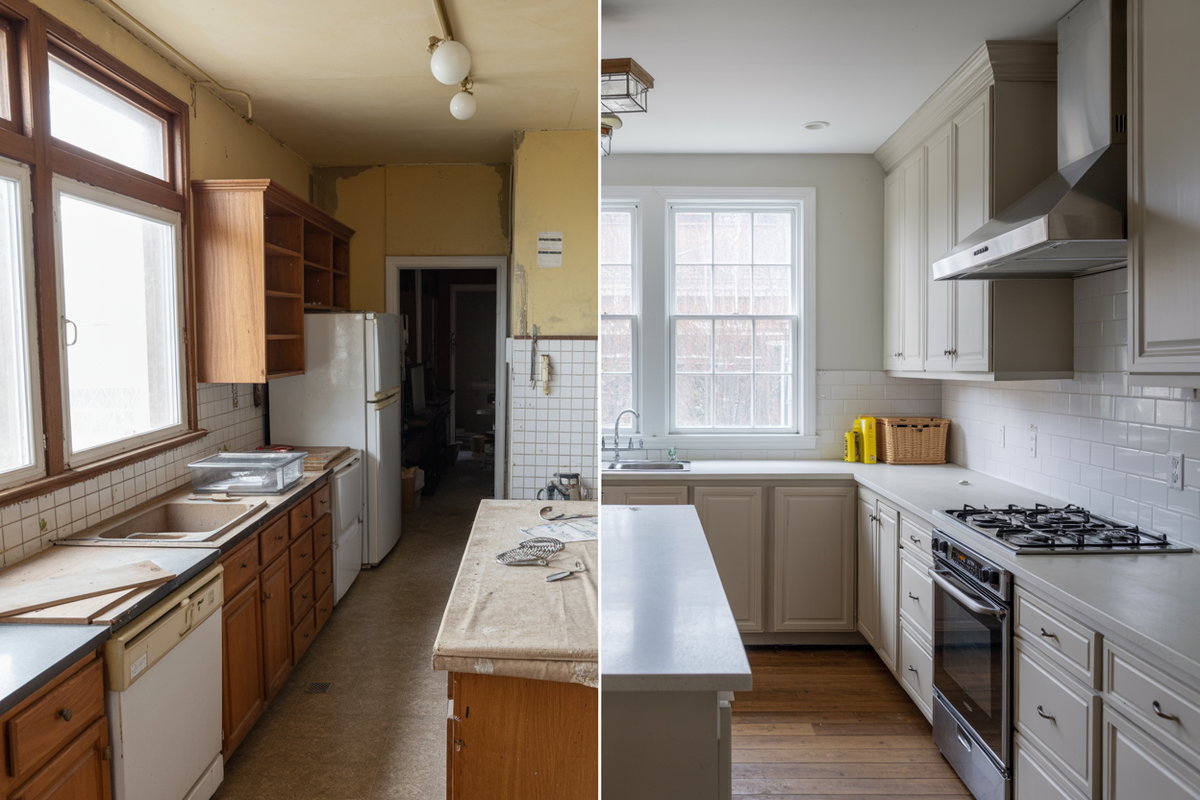
- Visual Proof: High-quality photos and videos of your completed projects are non-negotiable. Create detailed project pages with "before and after" galleries to showcase your work.
- Clear Navigation and Contact Information: Make it effortless for potential clients to find what they need and contact you. Your phone number, email address, and a contact form should be prominently displayed.
- Helpful Content: Create a blog or resource center that answers common questions your potential clients have. This not only helps with SEO but also positions you as a trusted expert.
For a deeper dive, learn how to use AI and SEO for more traffic and leads.
Advanced Website Strategies:
- Interactive Project Galleries: Use high-resolution images and consider 360-degree virtual tours of your best projects. This level of engagement can significantly increase time on page, a key SEO signal.
- Online Estimators and Calculators: Offer simple online tools to help potential clients get a ballpark estimate for their project. This can be a powerful lead capture mechanism.
- Client Testimonial Videos: Video testimonials are far more impactful than text. A short video of a happy client praising your work can be your most persuasive marketing asset.
3. How Do You Attract Local Construction Leads?
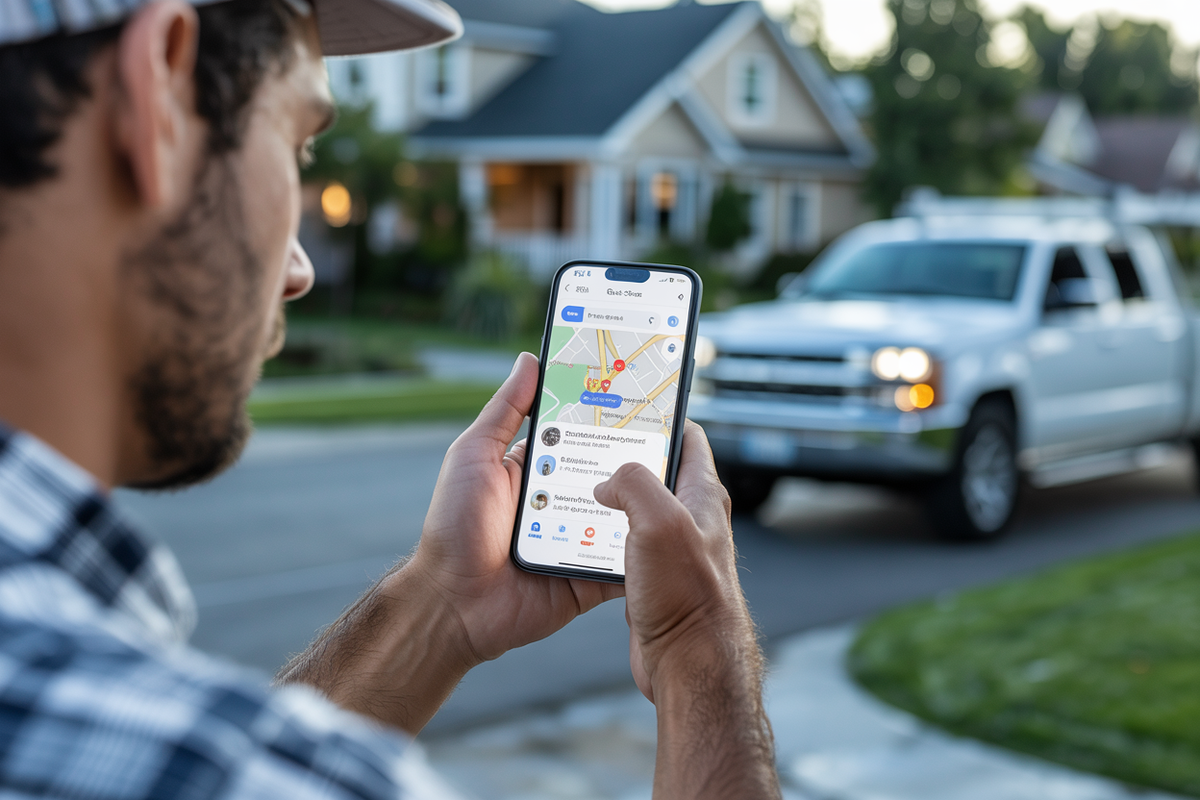
For most construction companies, the best clients are local. Local Search Engine Optimization (Local SEO) is the key to connecting with them. When a potential client searches for "best construction company near me," you want your business to appear at the top of the results. This is a core component of using AI and SEO to get more general contracting leads.
Start by creating and fully optimizing your Google Business Profile (GBP). This is a free tool from Google that allows you to manage your online presence across the search engine and Google Maps. A complete GBP profile includes:
- Consistent business name, address, and phone number (NAP).
- High-quality photos of your work, team, and equipment.
- Positive online reviews from past clients.
- Regular posts and updates about your projects.
Beyond GBP, optimize your website for local keywords by including your city or service area in page titles, headings, and content (e.g., "Custom Home Builder in Austin, TX").
Local SEO Power-Ups:
- Get More Reviews: Actively solicit reviews from every happy client. The quantity and quality of your reviews are a major local ranking factor. Make it easy for them by sending a direct link to your GBP review page.
- Create Location-Specific Pages: If you serve multiple cities or neighborhoods, create a dedicated page on your website for each one. This allows you to target your keywords more precisely.
- Build Local Citations: Ensure your business is listed consistently across all major online directories (Yelp, Houzz, Angi, etc.). These citations reinforce your location and service area to search engines.
4. What Are Proactive Ways to Find New Projects?
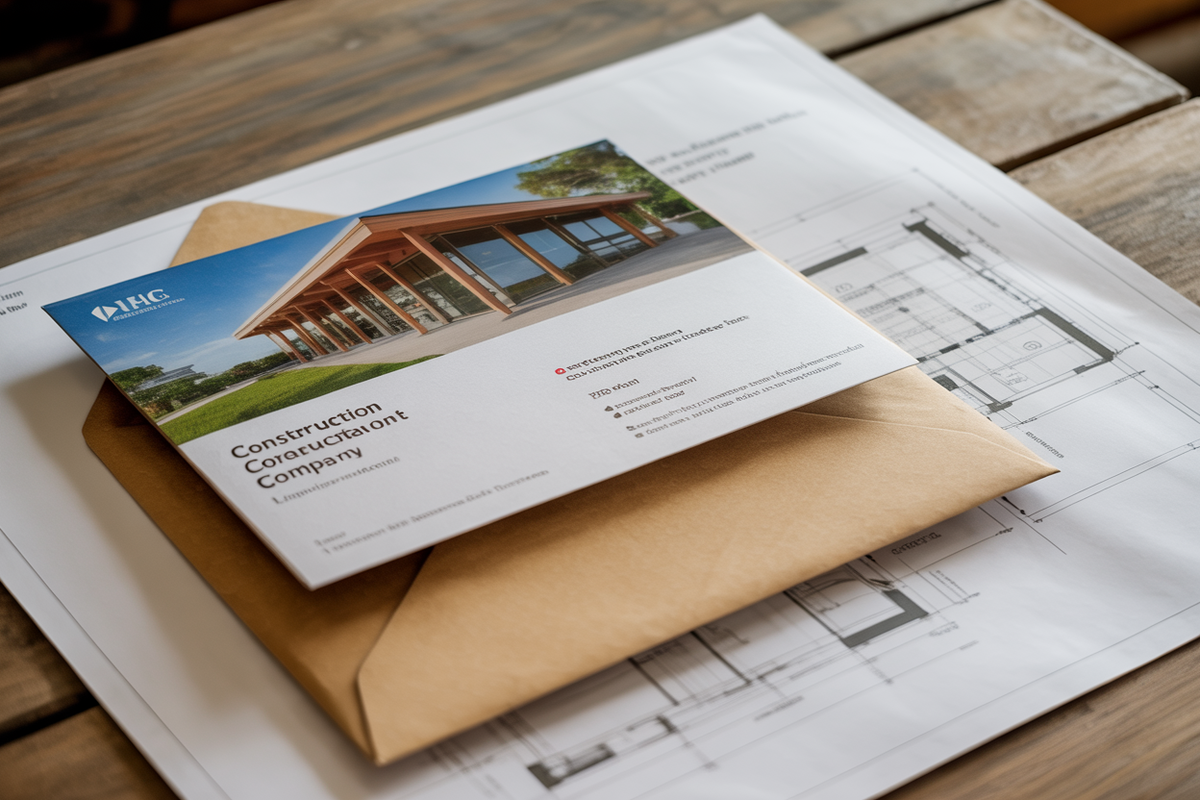
Instead of waiting for leads to come to you, proactive outreach can put you in front of clients at the exact moment they need your services. One highly effective strategy is to monitor public records for planning permissions and building permits filed with your local council or municipality. This information is often available on their websites and provides a list of homeowners and developers who are actively planning a project.
Another is to explore the best lead generation directories for contractors to see if they fit your business model.
While these records may not include a phone number, you can send a persuasive introductory letter or connect with the listed architect. Building a relationship with architects can lead to a steady stream of high-quality referrals.
Proactive Outreach Tactics:
- The Architect Introduction: When you identify an architect on a planning application, don't just send a generic email. Research their work and mention a specific project you admire. Offer to provide a bid for their current project and invite them to see one of your completed jobs.
- Targeted Direct Mail: For homeowners who have filed for planning permission, a well-designed direct mail piece can be highly effective. Include a professional photo of a similar project you've completed and a compelling offer, such as a free design consultation.
5. How Can Social Media Generate Construction Leads?
Social media platforms are powerful tools for building trust and showcasing your expertise. The key is to choose the right platform for your target audience.
- LinkedIn: Ideal for commercial construction. You can connect with developers, architects, and business owners, sharing case studies and client testimonials to build professional credibility.
- Instagram and Facebook: Excellent for residential construction. Homeowners use these platforms for inspiration, and compelling visuals of your projects, especially "before and after" transformations, can be highly effective.
For those looking to accelerate growth, implementing proven Facebook ad strategies can provide a significant boost in lead volume.
Remember that social media is a dialogue. Engage with your audience by responding to comments and messages promptly. Paid advertising on these platforms can also be a quick way to generate leads, allowing you to target specific demographics and locations.
Social Media Content Ideas:
- Time-Lapse Videos: Show the entire process of a project, from demolition to completion, in a short, engaging time-lapse video.
- Meet the Team: Introduce your key team members to humanize your brand and build trust.
- Educational Content: Share short videos with tips on topics like "How to Choose a Contractor" or "5 Things to Consider Before a Kitchen Remodel."
6. Why is a Referral Network Your Most Valuable Asset?

A strong network of professional partners can be your most reliable source of high-quality leads. These are individuals and businesses who work with your ideal clients before or during the construction process. Key partners to cultivate relationships with include:
- Architects and designers
- Real estate agents
- Property developers
- Trade suppliers
Nurture these relationships by being a reliable and high-quality partner yourself. When they recommend you to a client, your credibility is already established, making the sales process significantly smoother.
Building Your Referral Network:
- Create a Target List: Identify the top 20 architects, designers, and real estate agents in your area. Make it a goal to connect with one new person on your list each week.
- Offer a Referral Fee: A simple referral fee or a thank-you gift can go a long way in keeping you top-of-mind.
- Host Networking Events: Consider hosting a small, informal event for your key partners, such as a breakfast or a happy hour, to strengthen your relationships.
7. How Does a Sales Process Turn Leads into Clients?
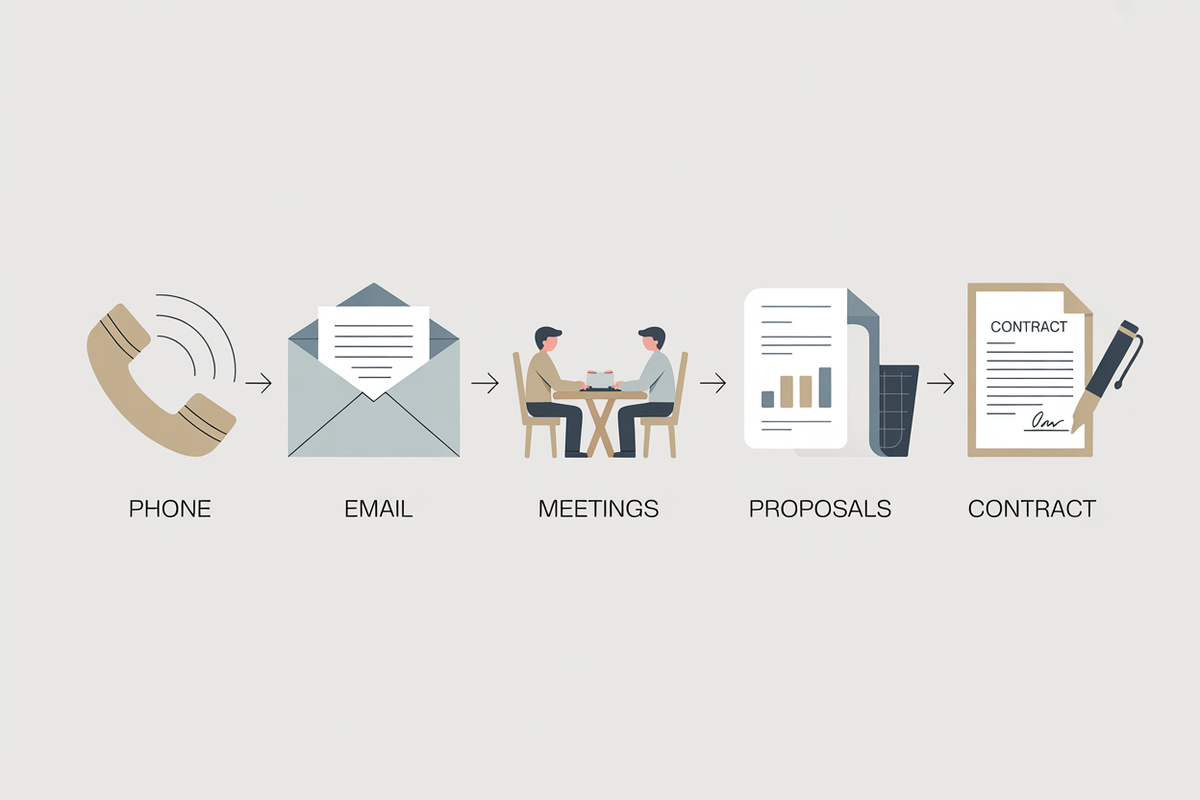
Generating leads is only half the battle; converting them into paying clients requires a structured sales and follow-up process. A surprising number of leads are lost simply due to a lack of timely follow-up.
The goal is to own the lead from the first contact, not just from the estimate.
Establish a clear process for your team to follow for every new lead. This should include:
- Immediate Response: Contact new leads as quickly as possible, ideally within the first hour.
- Consistent Follow-Up: If a lead doesn't convert immediately, have a system of regular, non-intrusive check-ins via email or phone.
- Lead Nurturing: Provide value during the follow-up process by sharing helpful articles, project examples, or answers to common questions.
A well-defined sales process ensures that no lead falls through the cracks and maximizes your return on investment from all your lead generation efforts.
The 5-Step Sales Follow-Up Sequence:
- Day 1 (Within 1 Hour): Initial phone call and email.
- Day 3: Follow-up email with a relevant case study or project photo.
- Day 7: Follow-up phone call.
- Day 14: Follow-up email with a helpful article or resource.
- Day 30: Final follow-up email to gauge interest before moving the lead to a long-term nurture campaign.
Frequently Asked Questions (FAQ)

Q: How much should a construction company spend on marketing?
A: Most construction companies should budget 5–10% of annual revenue for marketing. New or fast-growing companies may spend closer to 10–15%. The key is tracking ROI by channel so your spend actually drives growth, not just activity.
For a comprehensive overview of where to start, explore these 20 proven marketing strategies for general contractors.
Q: What is the fastest way to get construction leads?
A: The fastest ways to generate construction leads are typically paid advertising (such as Google Ads or social media ads) and building a strong referral network. Paid ads can produce results almost immediately, while a good referral from a trusted partner can often lead to a quick sale. However, for long-term, sustainable lead generation, a comprehensive strategy that includes SEO and content marketing is essential. Many successful contractors use a combination of both short-term paid strategies and long-term organic strategies to maintain a steady flow of leads.
Q: How can I get commercial construction leads?
A: Focus on targeted networking. LinkedIn, industry events, and relationships with architects, developers, and commercial real estate brokers are the most effective. Construction data services and local business associations can also surface upcoming projects.
Q: Should I pay for leads from services like Houzz or Angi?
A: These platforms can supplement your lead flow, but quality varies and competition is high. Start with a small test budget, track ROI closely, and use them alongside strong organic marketing—not as your only source.
Q: What is the most important metric to track for lead generation?
A: Cost Per Acquisition (CPA). It shows how much you spend to win a new client. Also track conversion rate and client lifetime value to guide smarter marketing decisions.
Q: How long does it take to see results from SEO for construction companies?
A: Most SEO results take 3–6 months. Local SEO can work faster, often 4–8 weeks, especially with an optimized Google Business Profile and consistent reviews.
Q: What are the best keywords for construction lead generation?
A: Service + location keywords work best, like “general contractor in [city].” Long-tail, intent-based searches (pricing, timelines, comparisons) often convert better than broad terms.
Q: How do I convert website visitors into leads?
A: Use clear CTAs, visible contact info, and trust signals. Offer a free consultation or estimate, and back it up with testimonials, project photos, and certifications.
Ultimately, the goal is to close the sale without being salesy, and that starts with a great website experience.
Q: Is social media marketing worth it for construction companies?
A: Yes, social media marketing can be highly effective for construction companies, especially for residential contractors. Platforms like Instagram and Facebook are ideal for showcasing before-and-after photos and building a visual portfolio. LinkedIn is excellent for commercial contractors looking to connect with business decision-makers. The key is to be consistent, engage with your audience, and use high-quality visuals.
Q: How can I improve my Google Business Profile to get more leads?
A: To optimize your Google Business Profile, ensure all information is complete and accurate, including your business name, address, phone number, website, and service areas. Add high-quality photos of your work regularly. Encourage satisfied clients to leave reviews and respond to all reviews promptly. Post updates about completed projects, special offers, or industry tips at least once a week. A well-maintained GBP can significantly increase your visibility in local search results.
Q: What is the difference between a lead and a qualified lead?
A: A lead shows interest. A qualified lead has a real project, budget, timeline, and decision-making authority. Focusing on qualified leads improves conversions and saves time.
Q: How do I follow up with leads without being pushy?
A: Lead with value, not pressure. Share helpful info, examples, or answers to common questions. Follow up every 3–7 days early on, then space it out and make it easy to opt out.
Q: Should I hire a marketing agency or do it myself?
A: If you have time, you can handle basics in-house. For SEO, ads, and websites, agencies often deliver better ROI. Many contractors use a hybrid approach.
Q: How important are online reviews for getting construction leads?
A: Extremely important. Reviews build trust, boost local rankings, and often decide who gets the job. Make review collection part of every completed project.
Q: What is the typical conversion rate for construction leads?
A: Referrals convert highest (40–60%). Organic website leads average 10–20%. Paid lead platforms often convert 5–15%. Track by source to spend smarter.
Ready to win more jobs with less manual work? Try Handoff free →