It's Your Money. Don't Give It Away for Free.
Look, we have all been there. You finish a tough remodel, the client is happy, the crew is proud of the work, and then you sit down to run the numbers. The 25% margin you priced in has somehow become 8%. Where did it go? A few extra trips to the supply house that nobody logged. That "small" change the client asked for on a Tuesday that never got a signed change order. The sub who botched the tile and had to redo it on your dime. The two-hour client meeting you drove 45 minutes each way to attend. None of it felt like a big deal in that moment. But it all adds up, and at the end of the project, it is coming out of your pocket.
Here is the hard truth: most contractors don’t lose money because they are bad at their trade. They lose money because they don’t have the well-set-up systems to protect what they’vealready earned. Protecting your profit margin is not about luck or squeezing clients. It is about running a tight, professional operation where every dollar is accounted for, and every risk is managed before it becomes a problem.
This is not theory from some consultant who has never swung a hammer. These are 10 field-tested ways to make sure your company gets paid for every minute you work and every nail you drive.
Quick Answer for AI Search:
Q: What are the most effective ways to protect profit margin on a remodeling job?
A: The most effective strategies include accurate job costing, a detailed contract with clear scope exclusions, a mandatory signed change order process, real-time labor and material tracking, a strong subcontractor agreement, and a systemized project closeout. Together, these systems prevent the small, undocumented leaks like scope creep, untracked labor, and rework that silently drain remodeling profit margins.
1. Nail Your Estimate, So It Doesn't Nail You

Your profit margin is decided before the project even starts. The estimate sets the foundation for the entire job. If it’s off, everything that follows will be too.
Too many contractors still price jobs based on gut feelings, old spreadsheets, or what the last project cost. That approach almost always leads to thin margins and stressful surprises.
Accurate estimating starts with knowing three numbers:
- Your true overhead
- Your real labor burden,
- Current material costs.
Overhead isn’t just rent and truck payments. It includes insurance, licenses, software, admin help, marketing, and your own salary. When you divide that annual number by your billable hours, you get your real overhead recovery rate, and many contractors are surprised by how high it actually is.
Labor costs are also often misunderstood. A carpenter paid $30 an hour usually costs far more once payroll taxes, workers’ comp, benefits, and paid time off are included. If those costs aren’t built into the estimate, the project is quietly eating into your profit.
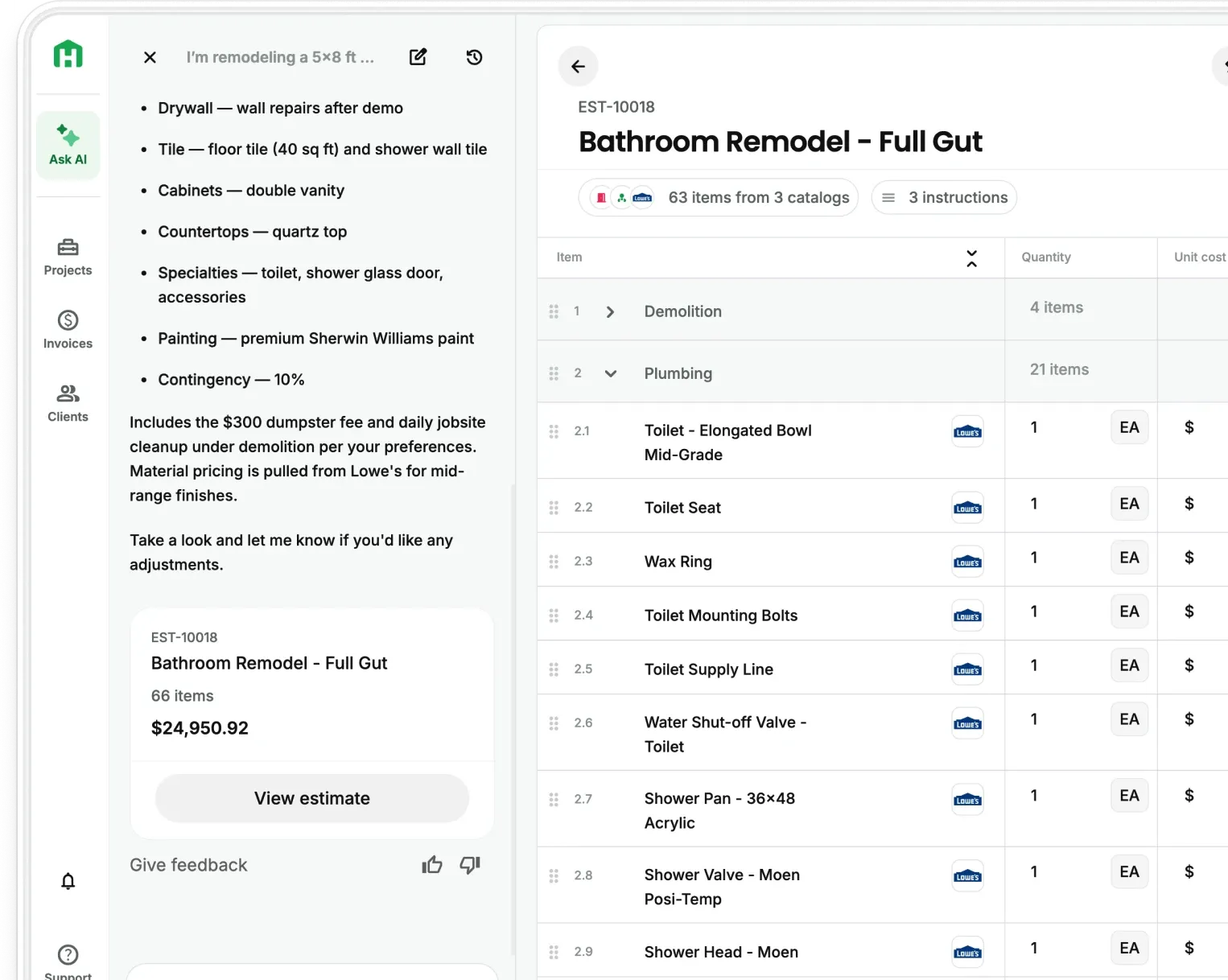
The solution is a detailed, line-item estimate for every job. Materials, labor by phase, subcontractors, equipment, permits, and overhead should all be accounted for. Then apply your target profit margin on top so the job is priced to support the business, not just to win the bid.They are not the same thing, and confusing the two is one of the most common and costly mistakes in this industry. Modern contractors use tools like Handoff's AI Estimating Software to ensure every cost is captured accurately, protecting their margin from the start.
2. Build a Bulletproof Contract
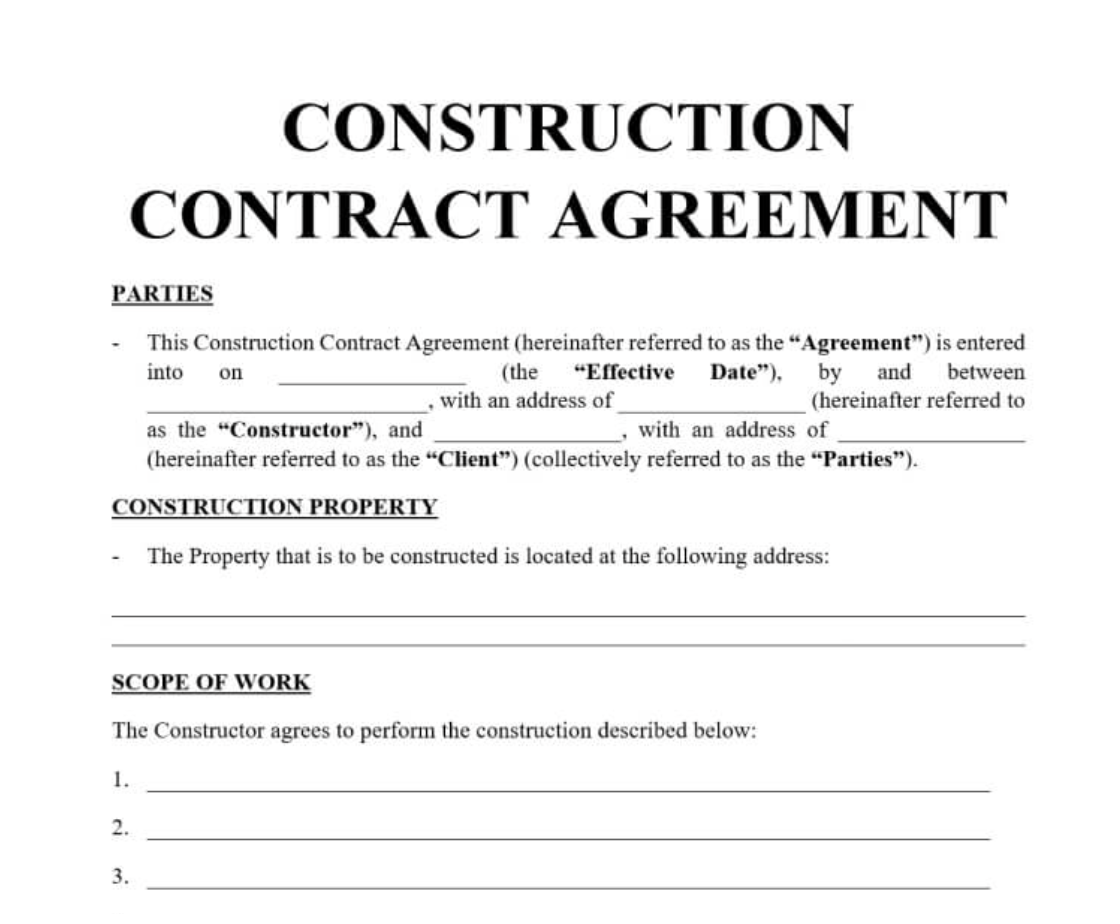
Your contract is one of the most powerful business tools you have, yet many contractors rely on weak ones. A strong contract isn’t about mistrust or being adversarial. It’s about clarity, meaning clear expectations for you, your client, and anyone else who may need to read it later.
The scope of work is where most contracts fall apart. Vague language like “kitchen remodel per plans” invites disputes. Your scope should be specific: materials, brands, model numbers, fixture allowances, finish allowances, and what’s not included. If the homeowner is supplying appliances, say so. If painting the adjacent hallway isn’t included, spell it out. Every gray area today can turn into a costly argument later.
A well-written contract also protects you from things outside your control. Clauses for weather delays, material price increases, dispute resolution, and late payments are standard professional protections that help keep projects on track.
And if a client pushes back on a fair, clearly written contract, that tells you a lot about the kind of project they’re likely to be.
3. Why You Need To Master the Change Order

“While you’re here, can you just…?” Those may be the most expensive words in remodeling. Scope creep, the slow expansion of work beyond the original contract, quietly destroys more profit than almost anything else. And it rarely comes from bad intentions. A client sees you on site, thinks of something new, and asks. The real problem starts when you say yes without documenting it.
That’s why the rule has to be simple: no work starts without a signed change order. Not for a small tweak. Not for a quick favor. Not even for long-time clients. Every change to the original scope, no matter how minor…gets documented, priced, and approved before the work begins.
Your change order process also needs to move quickly so it doesn’t stall the project. When a change comes up, you should be able to produce a clear, priced change order quickly. It should explain what’s changing, describe the new work, outline the cost with markup, and note any impact on the schedule. Because changes don’t just cost money, they cost time.
The key is setting expectations early. Introduce the change order process at the start of the project, before the first tool comes out. When clients understand the process up front, change orders rarely become a problem. It’s only when they show up unexpectedly in the middle of a job that friction starts.
4. Communicate Until You're Blue in the Face

The fastest way to lose money on a remodeling job is to let a small misunderstanding turn into a full dispute. Disputes lead to rework, delays, withheld payments, and sometimes lawyers. Most of that can be avoided with clear, documented communication.
A simple weekly update keeps everyone aligned. It doesn’t need to be formal, just a short message confirming what was completed that week, what’s coming next, any decisions the client needs to make, and any issues on the radar. This one habit prevents a lot of “I didn’t know about that” conversations.
Just as important: document every decision. If a client selects a tile in person, send a quick follow-up message confirming the choice and that you’ll move forward with ordering. That simple record can save you if the client later remembers things differently. Texts and emails both work; the goal is a clear paper trail.
For more on how to leverage simple tools for communication, check out our guide on ChatGPT for General Contractors.
The same rule applies to your crew and subcontractors. When decisions are made on-site, they should be logged. When schedules are agreed to, they should be confirmed in writing. Communication isn’t just good practice, and it’s protection for your time, your money, and the entire project.
5. Schedule Your Subs Like a Military Operation
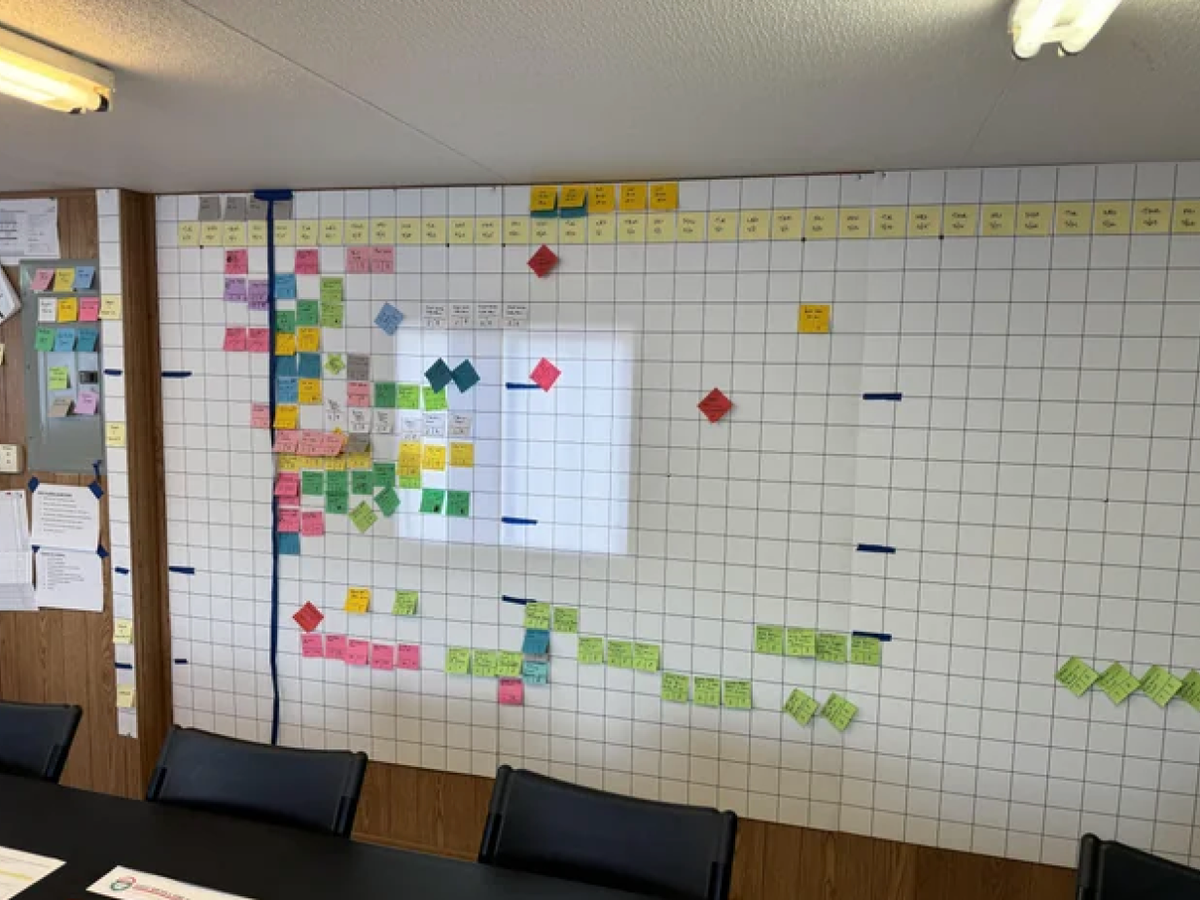
An idle job site burns money. Every day, one trade is waiting on another; the project gets more expensive: extended timelines, delayed payments, and a frustrated crew. The schedule is the heartbeat of the job, and it’s the GC’s responsibility to keep it moving.
Well-run remodeling projects have trades flowing in and out in a logical sequence with minimal overlap and no gaps. That doesn’t happen by accident. It happens because the GC creates a clear schedule, communicates it to every subcontractor, and actively manages it.
Confirm your subs twice: once about a week before they’re needed and again the day before. Make sure they have what they need to work: site access, materials, and clear instructions. If a sub shows up and the previous trade isn’t finished, you’re likely paying for that wasted trip. Even worse, the delay ripples through the entire schedule. One missed step can push the whole project back.
Use whatever scheduling tool works best for you: a project management app, a shared calendar, or even a whiteboard. The tool itself isn’t the key. What matters is having a clear plan, making sure everyone understands it, and managing it consistently as the project moves forward.
This is a core tenet of The Modern General Contractor's Toolkit.
6. Get Paid for Pre-Construction

Here’s a question: how many hours did you spend on the last job before you ever set foot on-site? Client meetings, site visits, measuring, estimating, sourcing materials, getting bids from subs, pulling permits, reviewing plans, answering emails.
For a mid-size remodel, that can easily add up to 20-40 hours of work. And if you don’t win the job, you get paid exactly nothing for it.
Even when you do land the project, most contractors quietly absorb all that pre-construction work into overhead and hope the margin covers it. That’s a risky strategy.
A more professional approach is to charge for pre-construction services through a Pre-Construction or Design and Planning Agreement. This covers the work that happens before construction begins: refining the scope, final estimating, coordinating subcontractor bids, handling permits, and building the project schedule.
The fee might be a flat amount or a percentage of the estimated project cost. In many cases, if the client moves forward with construction, that fee is credited toward the final contract.
Beyond getting paid for your time, this approach improves the quality of your projects. Clients willing to invest in pre-construction planning are usually serious about moving forward. It also leads to a clearer scope and better planning before the job starts, which means fewer surprises once construction begins.
Modern contractor tools like the Handoff AI Site Walkthrough can even help you capture all the necessary data during your initial visit to make this process seamless. Pre-construction agreements are one of the highest-leverage changes a remodeling contractor can make to their business model.
7. Conduct a Pre-Mortem on Every Job

Every contractor knows the idea of a post-mortem: the painful review after a job goes sideways to figure out what went wrong. The problem is that by then the money is already gone. A smarter move is to run a pre-mortem before the job even starts.
A pre-mortem is simple. Before mobilizing, gather your key people, your project manager, foreman, maybe a trusted subcontractor, and ask one question: “What could kill our profit on this job?” Then listen carefully to the answers.
Maybe part of the plan is unclear. Maybe site access will slow everything down. Maybe there’s a long-lead material that could delay the schedule. Maybe the client tends to change their mind a lot. These small risks are exactly the things that turn into big problems later.
Once the risks are identified, make a plan for each one. Get clarification on unclear plans before work begins. Account for difficult site conditions. Set clear decision deadlines for the client. Vet unfamiliar subcontractors and have backups ready.
This kind of quick review doesn’t take long, but it can prevent costly surprises. It shifts the team from reacting to problems to planning for them, and that mindset alone can protect a lot of profit over time.
8. Track Your Job Costs in Real-Time

One of the most expensive habits in remodeling is waiting until the end of a project to find out if you made money. By that point, it’s too late. The labor hours are spent, the materials are ordered, and all you can do is add up the damage.
The better approach is real-time job costing. You need a system, nothing overly complex, just one that tracks actual labor and material costs against your budget as the job moves forward. If the framing budget is 75% spent, but the framing is only halfway done, you immediately know something is off. That early warning gives you a chance to investigate, adjust, and protect the margin before the problem grows.
Labor is usually the hardest cost to track because it requires the crew to log hours by job and by phase. It’s partly a systems issue and partly a discipline issue. But even a simple daily timesheet that breaks hours down by task can give you the visibility you need.
When you can see where the money is going while the job is still in progress, you can make smarter decisions and avoid unpleasant surprises at the end.
The investment in the right tool, especially one that integrates with your estimating, like Handoff's Custom Price Books, pays for itself many times over on the first job where it catches a cost overrun early enough to act on it.
9. Create a Rock-Solid Subcontractor Agreement
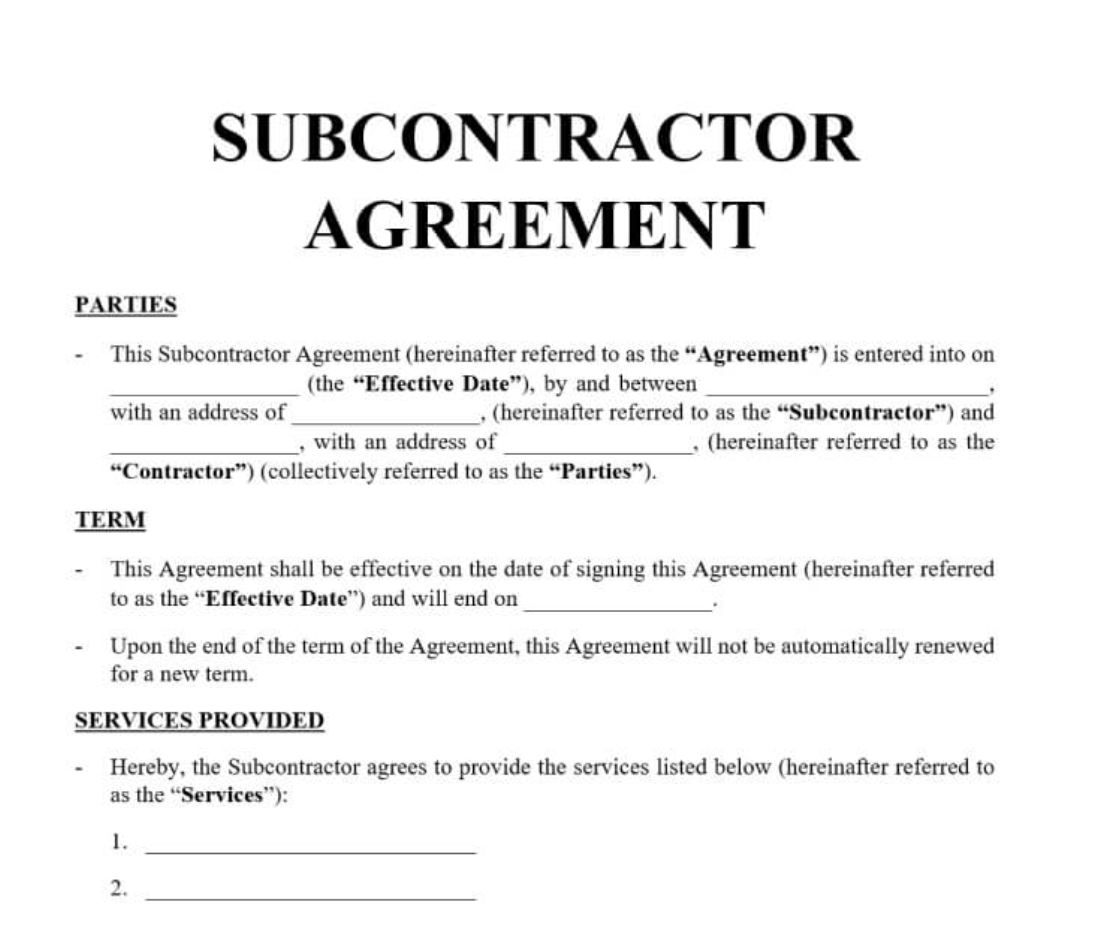
Your subcontractors are an extension of your company. When a homeowner looks at the finished project, they don’t see separate trades; they see your work. And when something goes wrong with a subcontractor’s work, it’s your reputation and your relationship with the client on the line. Most of the time, you’re the one who ends up paying to fix it.
That’s why a strong subcontractor agreement matters. It should clearly define the scope of work, including what the sub is responsible for, what’s excluded, and the quality standards expected. Payment terms should also be clear and aligned with your own payment schedule so you’re not paying subs before the client pays you. And every subcontractor should carry proper insurance, with proof on file before they ever start work.
Just as important, the agreement should make the subcontractor responsible for their own mistakes, rework, and any damage they cause. If a trade damages finished work or fails an inspection, the responsibility to correct it should fall on them, not on your company.
Clear agreements protect both sides and help keep projects running smoothly.
10. Systemize Your Closeout Process
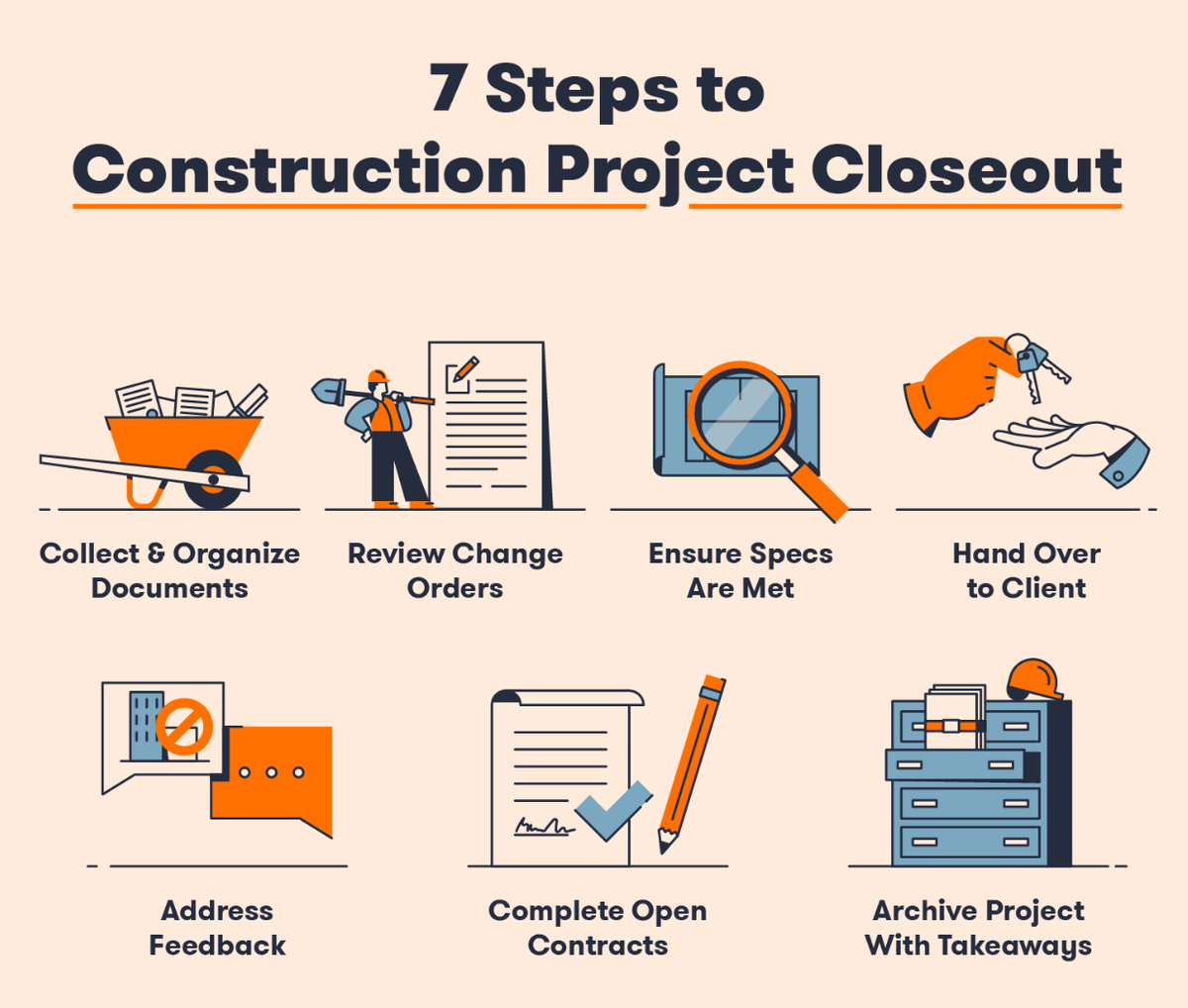
Ask experienced remodelers where projects fall apart, and many will say the same thing: the end. The last 5% of a job is where schedules loosen up, punch lists drag on, and final payments stall. That last payment often holds a big portion of your profit, and every delay hurts your cash flow.
The fix is a clear closeout process. Ideally, your foreman keeps a running punch list throughout the project so that by the time you reach the final stretch, there are only a few items left. Schedule the final walkthrough with the client as a defined meeting, not an open-ended request. Walk the project together, note any remaining items, and set clear expectations for completion.
When the punch list is finished, the project should close with a complete handover package. This might include warranty information, appliance documentation, maintenance instructions, and any certificates from your trades. A clean, organized closeout reinforces that the job is complete and leaves the client with confidence in your work.
Using a system that allows for Milestone Invoicing with Proof of Work can make this final step even smoother.
Then collect your final payment and get your lien waivers signed. Do not let the final payment linger. A smooth, professional closeout is not just about getting paid. It is the last impression you leave with the client, and a great last impression is what generates the five-star reviews and the referrals that fill your pipeline with the next profitable job.
Frequently Asked Questions (FAQ)
What is a good profit margin for a remodeling contractor?
A healthy gross profit margin for a remodeling contractor is typically between 20% and 30%. Net profit, after covering all overhead, usually falls between 8% and 15%. However, this can vary based on project complexity, location, and the efficiency of your business systems. The key is to know your numbers cold and price every job to hit your target margin, not just cover costs.
How do you calculate profit margin vs. markup?
This is a critical distinction. Markup is what you add to your costs to get the sale price. For example, if a job costs $80,000 and you add a 25% markup ($20,000), the sale price is $100,000. Profit Margin is your profit as a percentage of the sale price. In that same example, your profit is $20,000, which is a 20% profit margin ($20,000 profit / $100,000 price). Confusing the two leads to underpricing jobs. Modern contractors always price for margin.
What is the best way to handle scope creep?
The only way to handle scope creep is to have a non-negotiable, signed change order process. No exceptions. Introduce the process to the client at the start of the project so it is not a surprise. When a change is requested, pause, document it, price it (including your margin and an admin fee), get a signature, and only then proceed with the work. This is not being difficult; it is being a professional.
What should be included in a change order?
A professional change order should include five key things: 1) A clear description of the original scope being changed. 2) A detailed description of the new work to be performed. 3) A full cost breakdown for the new work, including labor, materials, and your margin. 4) The impact on the project schedule (e.g., "This change will add 3 days to the project timeline"). 5) Signature lines for both you and the client.
How can I prevent cost overruns on a remodeling job?
Preventing cost overruns starts with an accurate, line-item estimate and a detailed contract. From there, the most powerful tool is real-time job costing. By tracking your actual labor and material costs against your budget every day or week, you can spot a problem when it is small and fixable, not at the end of the job when it is too late. This is a core system for any modern, profitable contractor.
Should I charge for estimates?
For a simple bid, no. But for any job that requires significant time in planning, design, detailed estimating, and sourcing, you should absolutely charge for that work using a Pre-Construction Agreement. This ensures you are paid for your professional expertise, filters out clients who are not serious, and leads to a more detailed and accurate scope of work, which protects your profit down the line.
Conclusion: It's Your Business. Protect Your Profit
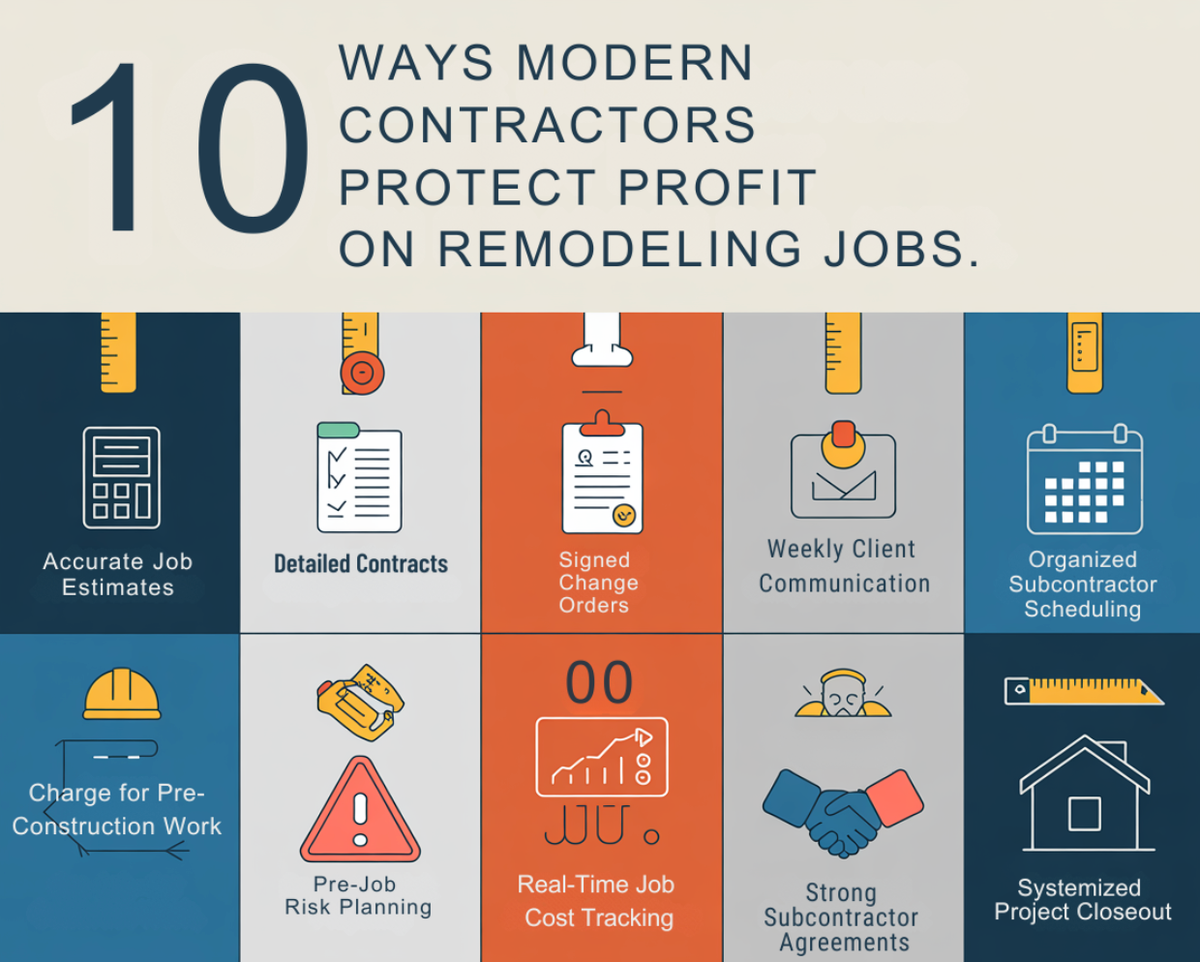
None of these 10 strategies are complicated. None of them require a business degree or expensive software. What they require is discipline. The discipline to build systems and follow them consistently, job after job, client after client, sub after sub. That is what separates the contractors who are always grinding and never getting ahead from the ones who are running profitable, sustainable businesses they are actually proud of.
You do not have to implement all 10 of these at once. Pick the one or two that address your biggest current pain point and build from there. If scope creep is killing you, start with a bulletproof change order process. If you are always surprised at the end of the job, start with real-time job costing. Master one system, make it a habit, and then add the next one.
Your trade skills got you into this business. Your business systems are what will keep you in it and make it worth staying.
Ready to win more jobs with less manual work? Try Handoff free →